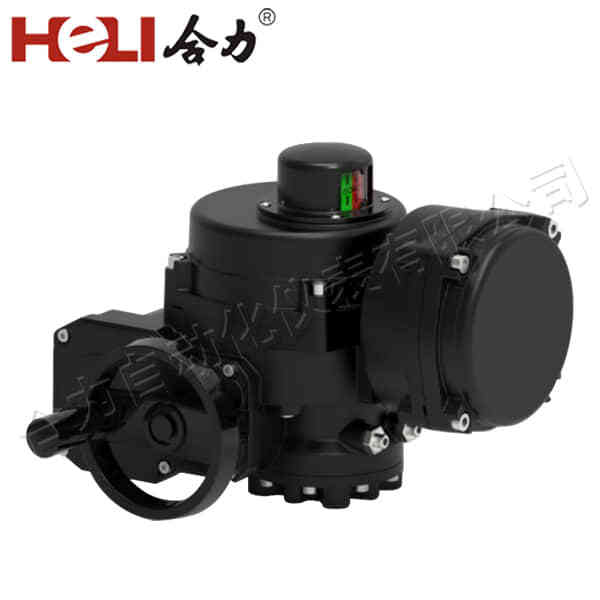
Electric actuators for valves play a crucial role in modern industrial automation systems. They are widely used to control the operation of valves, regulating the flow of fluids, gases, and other materials through pipes and systems. These actuators provide precise control, are easy to maintain, and offer a reliable solution for various industries. This article explores the key features, types, applications, and benefits of electric actuators for valves.
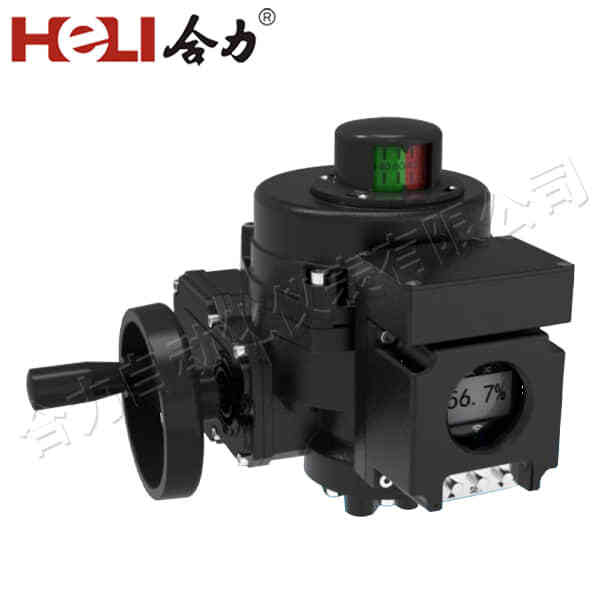
What is an Electric Actuator for Valves?
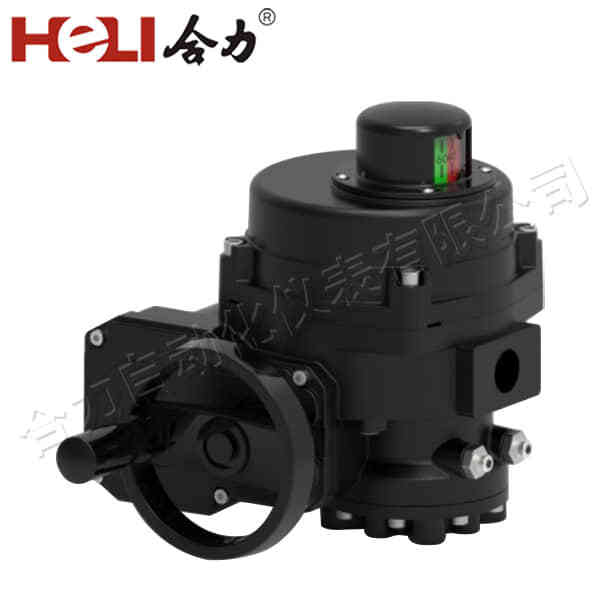
An electric actuator for valves is a device that uses electrical energy to operate a valve. The actuator consists of an electric motor, a gearbox, and a mechanical linkage that moves the valve’s stem, thereby opening or closing the valve. Electric actuators are typically connected to an automation system, such as a PLC (Programmable Logic Controller) or DCS (Distributed Control System), which sends control signals to adjust the position of the valve. These actuators are used to manage the flow rate, pressure, temperature, or other parameters of the process fluid. Types of Electric Actuators for Valves