The Dual Relay Module is a versatile and essential component used in various electronics and automation projects. This module allows users to control high-voltage and high-current devices such as lights, fans, motors, and other appliances using low-voltage digital control signals. It is widely used with microcontrollers like Arduino, Raspberry Pi, and ESP32 for creating automated systems.
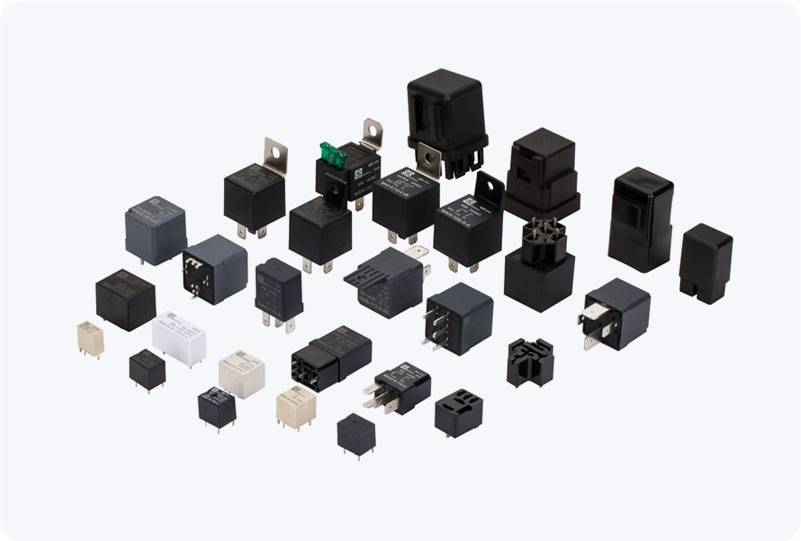
What is a Dual Relay Module? A Dual Relay Module consists of two separate relays that can be controlled independently. Each relay functions as a switch that either allows or interrupts the flow of current to the connected load. The module is typically powered by a 5V or 12V DC supply and can be interfaced with digital pins on a microcontroller. The key feature of the dual relay module is its ability to manage two separate high-voltage loads with a single module, making it perfect for applications requiring multiple device controls. Each relay on the module usually has three terminals: a Normally Open (NO) terminal, a Normally Closed (NC) terminal, and a Common (COM) terminal. By connecting the device’s power supply to these terminals, users can choose to control the load by switching between the NO and NC states.