A Current Overload Relay (COR) is an essential device in electrical systems designed to protect electrical equipment, particularly electric motors, from damage due to excessive current. Overload conditions can arise from various factors, such as mechanical failures, electrical faults, or abnormal operational conditions. The COR acts as a safeguard, disconnecting the circuit or triggering an alarm when current levels exceed preset thresholds. This protective function prevents overheating and potential damage to the motor windings, cables, and other components, ensuring the longevity and reliability of the entire system.
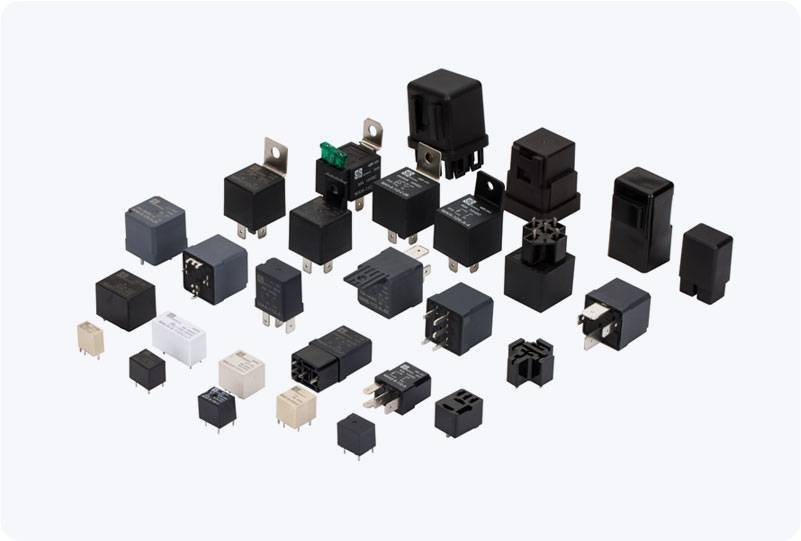
Working Principle of the Current Overload Relay The basic principle behind the operation of a current overload relay is relatively simple: it continuously monitors the current flowing through a circuit. When the current exceeds the maximum rated level for a specified duration, the relay will trip or cut off power to the circuit. There are three common types of overload relays: Thermal Overload Relays: These relays use a bimetallic strip that bends due to the heat generated by excessive current. The bending action eventually triggers the relay, cutting off power to the motor. Thermal relays provide a time-delay mechanism, meaning the relay will not immediately disconnect the motor, allowing for brief current surges (such as motor startup). These relays are suitable for applications where motor load may fluctuate momentarily.