The Battery Main Positive Relay is an essential component that plays a vital role in the electrical systems of vehicles and other devices. This relay acts as a switch, controlling the flow of electrical current between the battery and various electrical components. Understanding the functionality, significance, and maintenance of this relay can enhance comprehension of automotive electrical systems and improve the efficiency and safety of their operation.
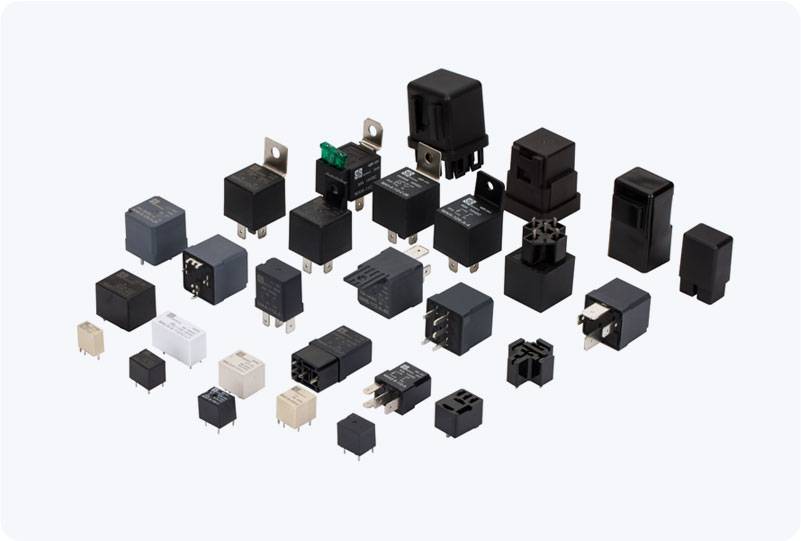
What is a Battery Main Positive Relay? At its core, a Battery Main Positive Relay operates on the principles of electromagnetism. When an electrical current is applied to its coil, it creates a magnetic field that closes the switch (or contacts) within the relay, allowing current to flow from the battery to various parts of the vehicle—most notably the starter motor, fuel system, and other critical electrical components. Typically, the relay consists of two main parts: the electromagnetic coil, which opens and closes the circuit, and the contacts (or switch), which determine whether the electrical circuit is complete or interrupted. This mechanism allows for remote control of high-current devices and enhances the overall efficiency of the electrical system.