In the world of automotive and electronic systems, the Battery Main Positive Relay plays a crucial role in managing power distribution and enhancing safety. This component serves as a switch that controls the electrical connection between the battery’s positive terminal and various electrical devices or systems within a vehicle or electronic device. Although it is often overlooked, understanding its functions, mechanisms, and applications can significantly enhance our appreciation for modern electrical systems.
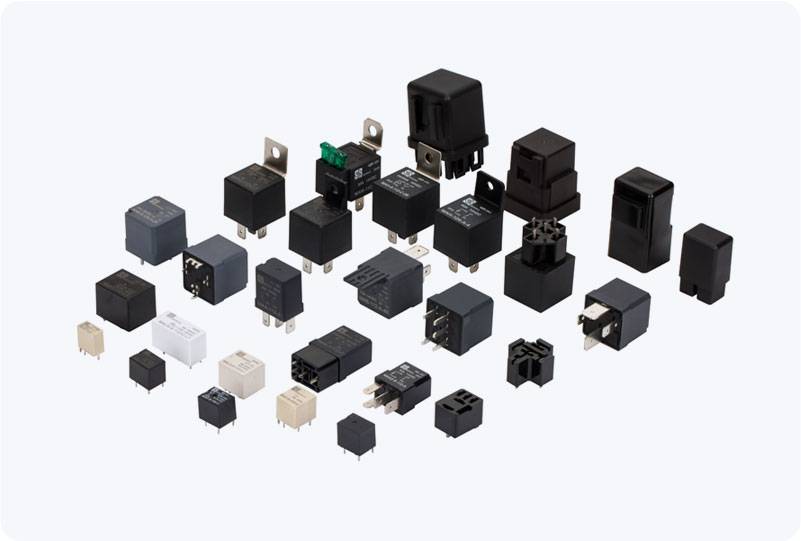
What is a Battery Main Positive Relay? At its core, a Battery Main Positive Relay is an electromechanical device that opens and closes a circuit based on a control signal. It consists of a coil and a set of contact points. When the coil is energized—typically through a switch or electronic control unit—an electromagnetic field is generated, which causes the contact points to close and complete the circuit. Conversely, when the coil is de-energized, the electromagnetic field collapses, causing the contacts to open and disconnect the circuit. This mechanism is fundamental to the relay’s ability to control the flow of current from the battery to various components in a vehicle or device.