The 30A power relay is a crucial component widely used in various electrical and electronic applications. This device plays a significant role in controlling and managing power circuits, making it essential for a range of industries including automotive, home appliances, and industrial machinery. In this article, we will delve into the working principles, applications, characteristics, and advantages of the 30A power relay, highlighting its importance in modern electrical systems.
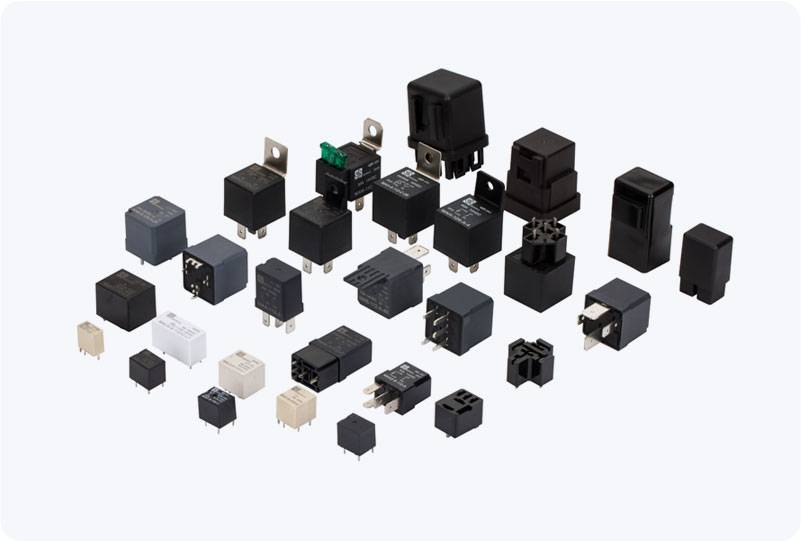
What is a 30A Power Relay? A power relay is an electromechanical switch that uses an electromagnetic coil to control the opening and closing of circuit contacts. The “30A” designation indicates that this relay is capable of handling a maximum current of 30 amperes, allowing it to control high-power loads effectively. Typically, these relays can operate at several voltage levels, including 12V, 24V, and 48V, depending on the specific requirements of the application. How Does It Work?
The operation of a 30A power relay begins when a low-power control signal is applied to the relay’s coil. This generates a magnetic field that pulls a movable armature, thereby closing or opening the contacts of the relay. Depending on the configuration of the relay, it can either make or break a circuit, allowing or preventing the flow of electrical current. The mechanism isolates the control circuit from the high-voltage power circuit, providing a safe and efficient means to control large appliances or machinery remotely.