In the world of electronics and electrical engineering, relays play a crucial role in controlling power circuits. Among these, the 30A power relay stands out, especially for applications requiring high current handling. This article explores the essential features, operation, applications, advantages, disadvantages, and maintenance considerations associated with the 30A power relay.
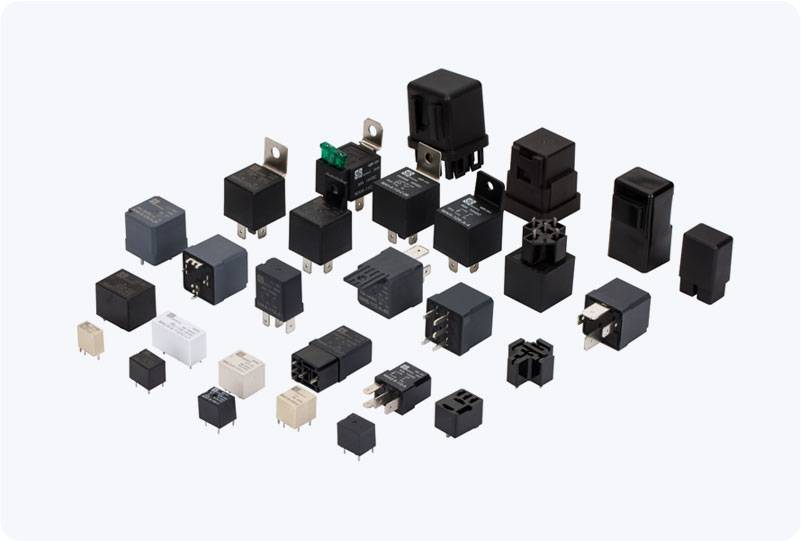
What is a 30A Power Relay? A 30A power relay is essentially an electromagnetic switch that allows low-voltage control circuits to switch high-power devices on and off. It is designed to carry a maximum load of 30 amperes, making it ideal for various high-power applications. The ability to control larger electrical loads with a relatively small control signal is one of the reasons these relays are so widely used. How Does it Work? The operation of a 30A power relay is based on the principles of electromagnetism. Inside the relay, there are two primary components: a coil and a set of contacts. When an electrical current passes through the coil, it creates a magnetic field, which attracts a metallic armature. This movement either closes the contacts (completing the circuit) or opens them (breaking the circuit), thus controlling the flow of electricity to the load.