The 220VAC power relay is an essential component in many electrical and industrial systems. It is primarily used to control the switching of high-voltage circuits with a low-voltage control signal, making it an indispensable tool for automation and protection systems. This article explores the fundamental principles, structure, types, and applications of 220VAC power relays.
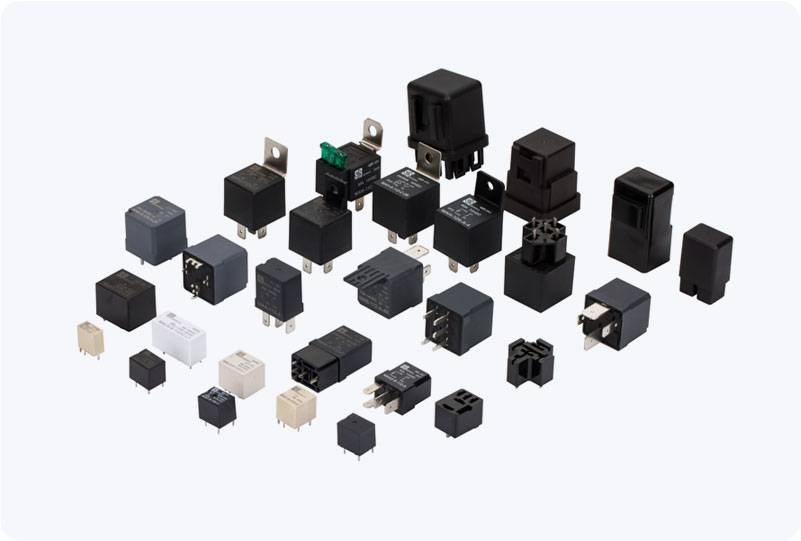
What is a 220VAC Power Relay? A 220VAC power relay is an electromechanical switch designed to control high-voltage AC (Alternating Current) circuits through a lower voltage DC or AC control circuit. The relay is activated by an electric current that energizes the relay’s coil, which then moves a set of contacts to open or close the circuit. This allows for the control of high-power devices without requiring the control system to directly handle large currents or voltages. Basic Working Principle The operation of a 220VAC power relay is based on electromagnetic principles. It consists of a coil, contacts, and an armature. When a current flows through the coil, it generates a magnetic field that pulls the armature. This action either opens or closes the relay’s contacts, thereby controlling the connected electrical circuit. The relay typically has two sets of contacts: Normally Open (NO) and Normally Closed (NC). The NO contacts are open when the relay is inactive and close when the relay is energized. Conversely, the NC contacts are closed when the relay is inactive and open when energized.