A 220V 30A relay is an essential component used in controlling high-voltage electrical systems. It provides a reliable and safe means of controlling large electrical loads with small control signals, making it an indispensable part of many applications in both household and industrial settings. In this article, we will delve into the function, applications, and important features of the 220V 30A relay, helping readers understand its importance in electrical circuits and systems.
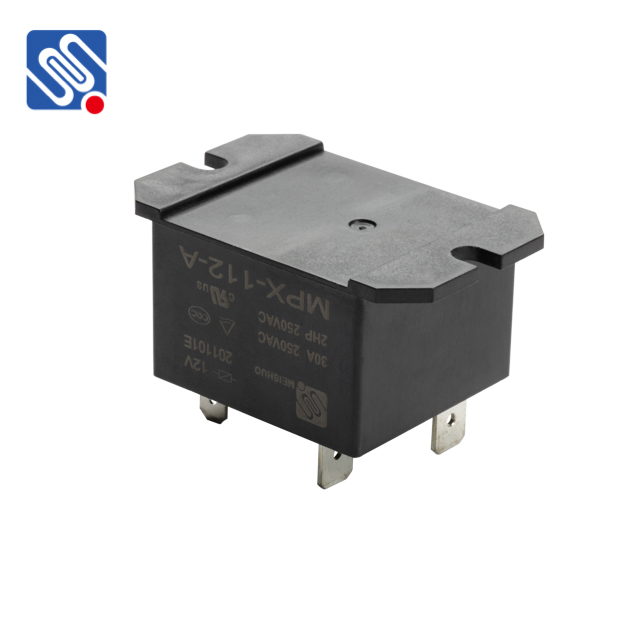
What is a 220V 30A Relay? A relay is an electrically operated switch used to control a high power circuit by using a low power signal. The 220V 30A relay refers to a type of relay designed to operate at an input voltage of 220V and can handle up to 30 amperes of current in its output circuit. These relays are capable of switching large currents that are typically required for household appliances, industrial machinery, and automation systems. The relay consists of a coil (electromagnetic component) that, when energized, creates a magnetic field. This magnetic field causes the relay’s internal contacts to either open or close, allowing or interrupting the current flow in a connected circuit. The key advantage of using a relay is that it allows a low-voltage control circuit (such as a microcontroller or sensor) to control high-voltage equipment, ensuring safety and efficiency.