The 15A power relay is a key component in various electrical and electronic systems, enabling control and automation in countless applications. With its ability to manage significant electrical loads while remaining compact and efficient, the 15A power relay serves as a crucial interface between low-power control circuits and high-power devices. This article will explore the fundamental characteristics, operation principles, applications, advantages, and critical considerations for the 15A power relay, providing a comprehensive understanding of its role in modern electrical systems.
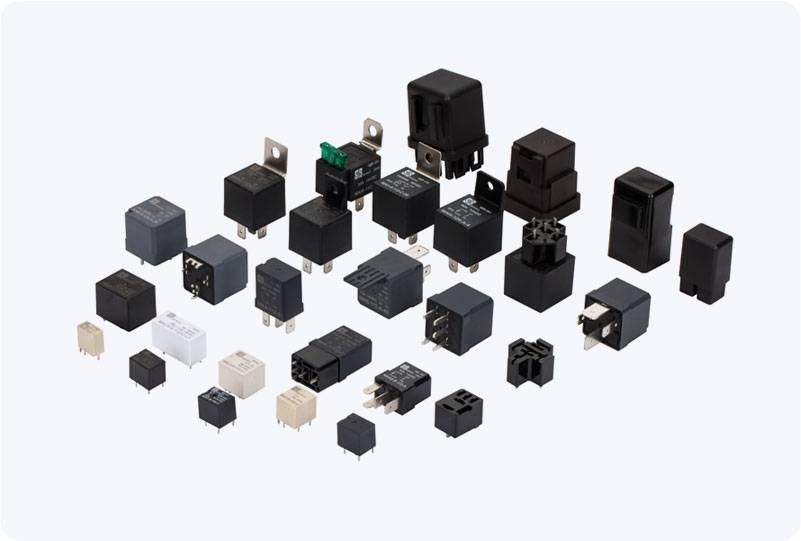
Fundamental Characteristics A 15A power relay is designed to handle up to 15 amperes of current, making it suitable for controlling a wide range of devices and appliances. Typically, the relay’s coil is activated by a low-voltage DC or AC supply, with common operating voltages including 12V, 24V, and 240V. The relay features multiple contacts – most often including both normally open (NO) and normally closed (NC) setups – allowing for versatile circuit configurations. The relay’s construction often consists of electromagnetic coils, an armature, and contacts encased within a durable housing. The reliable performance and long lifespan of these relays make them a favored choice among engineers and technicians.