The 15A Power Relay plays a significant role in modern electrical and automation systems. As an electromechanical device, it allows low-power control circuits to manage high-power electrical loads safely and effectively. This article aims to provide a comprehensive overview of the 15A Power Relay, explaining its functionality, applications, benefits, and considerations for use in various environments.
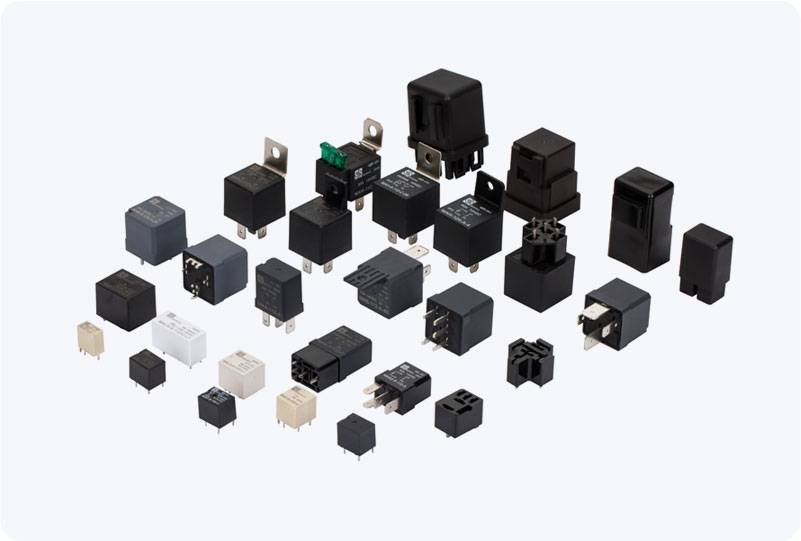
What is a 15A Power Relay? A 15A Power Relay is a type of relay that is designed to handle up to 15 amperes of current, providing a safe and reliable means to switch high-power electrical circuits with a relatively low control signal. This makes it an essential component for controlling various electrical devices, such as motors, heating elements, and other high-power equipment, without exposing the control system to dangerous voltages or currents. How Does a 15A Power Relay Work? The basic working principle of a 15A Power Relay is quite simple. It consists of an electromagnet (the coil), a set of contacts (often including NO — normally open, and NC — normally closed), and a spring mechanism. When an electrical current passes through the coil, it generates a magnetic field that attracts a movable armature. This action either opens or closes the contacts, thereby enabling or disabling the flow of current in the connected high-power circuit.