A 12V automotive relay is an essential component in a vehicle’s electrical system. As vehicles become increasingly dependent on electrical systems for various functions, the relay plays a crucial role in managing high-power circuits using low-power signals. In this article, we will delve into the basic principles of a 12V automotive relay, its types, uses, and how it helps improve the efficiency and safety of modern automotive systems.
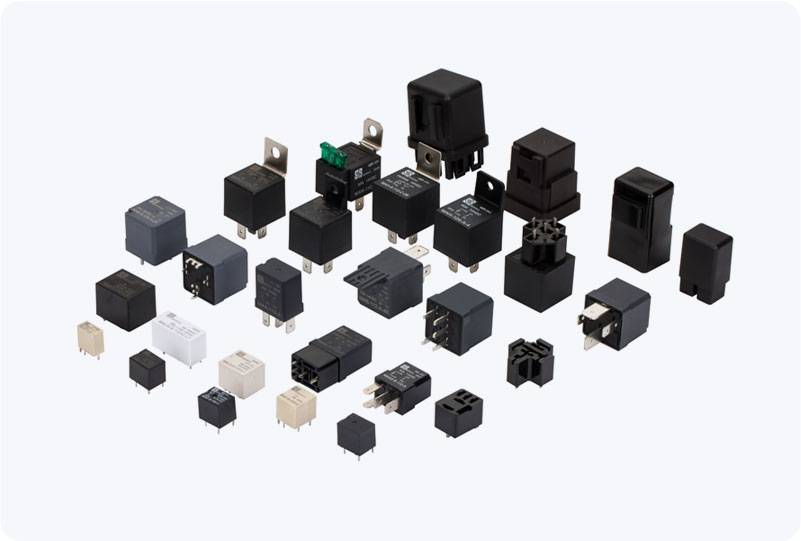
What is a 12V Automotive Relay? A 12V automotive relay is an electrically operated switch designed to control high-current devices within a vehicle, such as lights, windows, air conditioning, and more, using a low-voltage signal. The term “12V” refers to the standard operating voltage of most automotive electrical systems, which typically use a 12-volt direct current (DC) power source. At the heart of the relay is an electromagnet, known as a coil, which, when energized by a low voltage, generates a magnetic field. This magnetic field pulls or releases a set of contacts (switches), enabling or disabling the connection in a high-current circuit. By using a low-voltage control signal, the relay allows a small current to control a large current, making it ideal for automotive applications.