The 12V 60A relay is an essential component in various electrical and electronic applications, particularly in automotive and industrial settings. This device acts as a switch, allowing low power circuits to control high power devices safely and efficiently. In this article, we will explore the features, applications, and important considerations related to the 12V 60A relay, providing a comprehensive understanding for those looking to incorporate it into their projects.
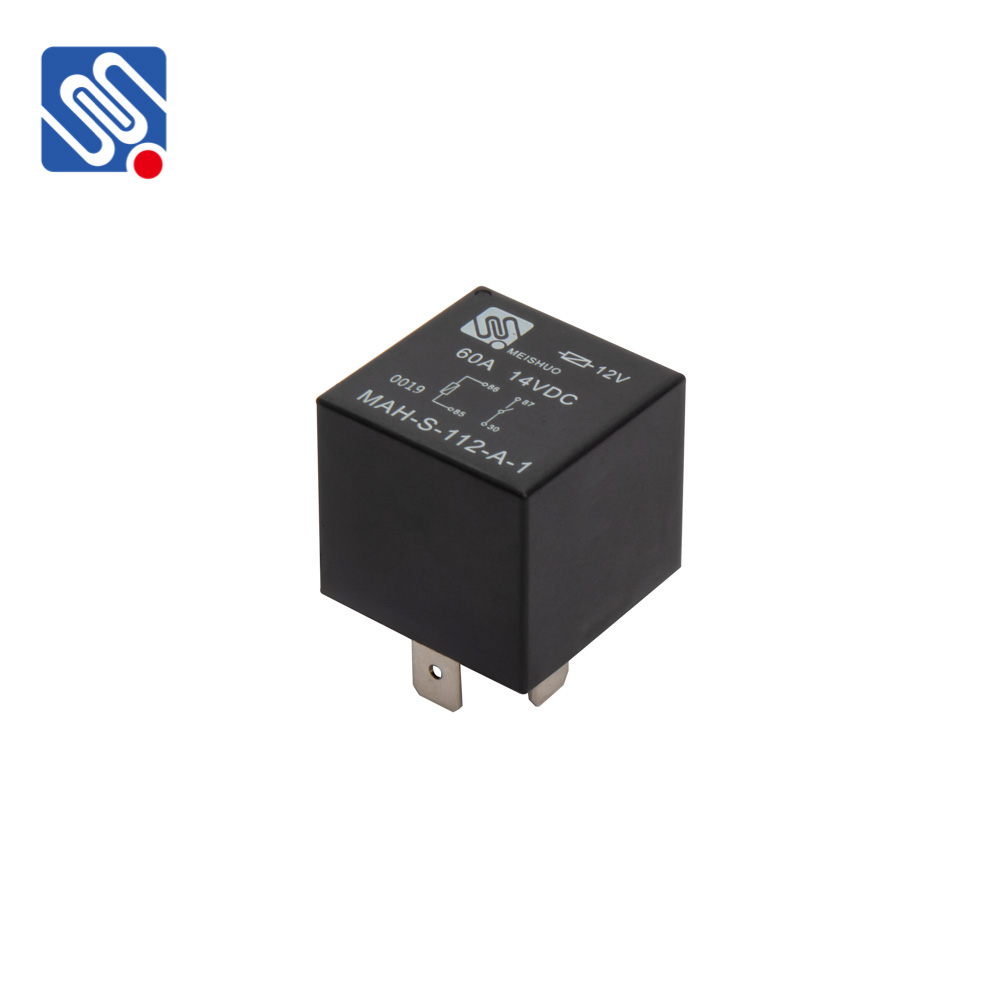
What is a Relay? A relay is an electromagnetic switch that opens and closes circuits electronically or electromechanically. The fundamental components of a relay include a coil, a set of contacts, and an enclosure. When a small voltage is applied to the coil, it creates a magnetic field that activates the relay’s switch mechanism, enabling it to control a higher power circuit. Specifications of the 12V 60A Relay The designation “12V 60A” indicates that the relay operates at a voltage of 12 volts and can handle a maximum current of 60 amperes. This high current handling capability makes it suitable for applications where a significant amount of power is required. The relay typically features normally open (NO) and normally closed (NC) contacts, allowing users to select how they want the circuit to operate under different conditions.