Relays play a vital role in the modern electrical and electronic systems, enabling the control of high-power devices using low-power signals. Among the different types of relays, the 12V 30A relay is one of the most widely used components in automotive, industrial, and home automation applications. In this article, we will delve into the working principles, common uses, and important considerations for selecting and using a 12V 30A relay.
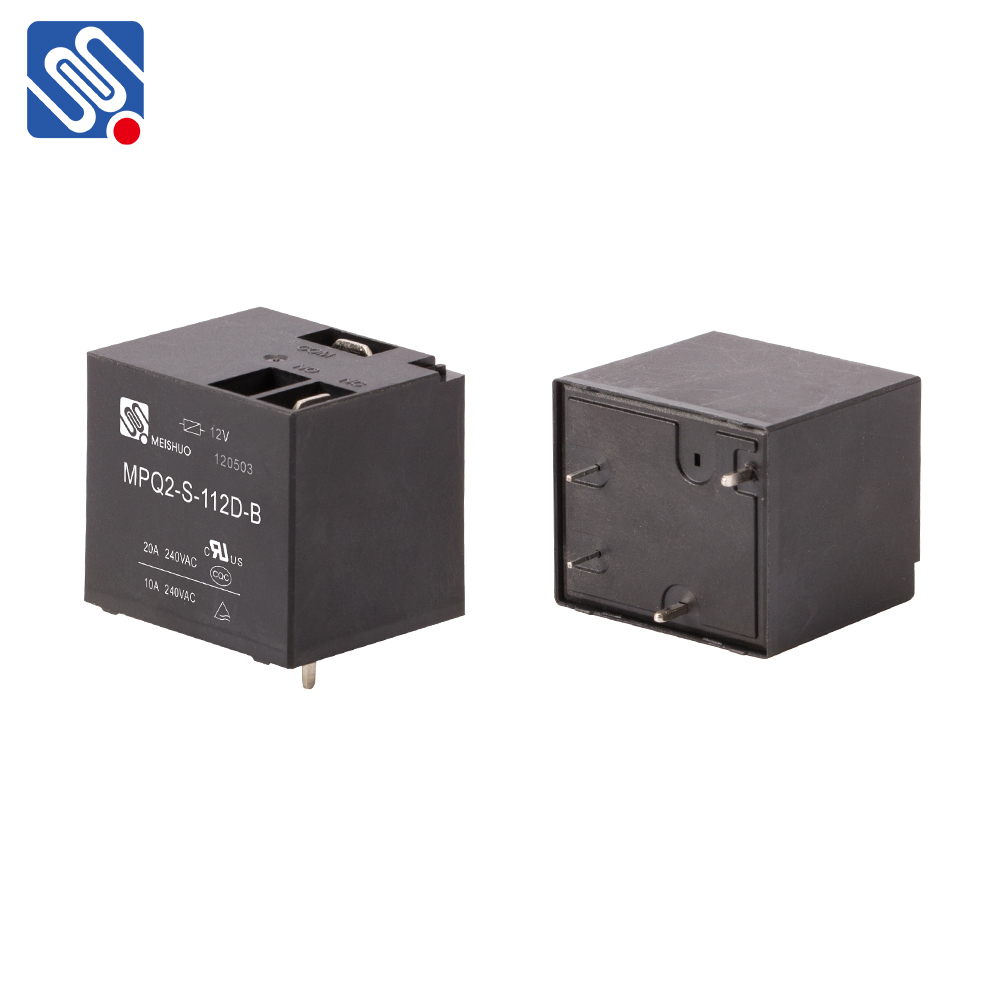
What is a 12V 30A Relay? A 12V 30A relay is an electromechanical switch that operates using a 12V direct current (DC) signal to control devices that draw up to 30 amperes of current. The primary function of a relay is to use a low-voltage, low-current electrical signal to control a higher voltage or higher current circuit. The relay essentially allows a small control current to operate a larger load, making it crucial for applications where direct control of high-power devices is impractical or dangerous. At its core, the relay consists of an electromagnetic coil, which, when energized with a 12V current, generates a magnetic field. This magnetic field pulls a set of contacts together or pushes them apart, depending on the design, thus opening or closing the electrical circuit connected to the load.