The 12V 30A relay is an essential component in electrical systems, widely utilized across various fields due to its ability to control high-power loads with minimal input. Whether in automotive applications, home automation, or industrial systems, this relay stands out for its reliability and efficiency. In this article, we will explore the functionality, applications, and benefits of the 12V 30A relay, giving you a comprehensive understanding of this vital component.
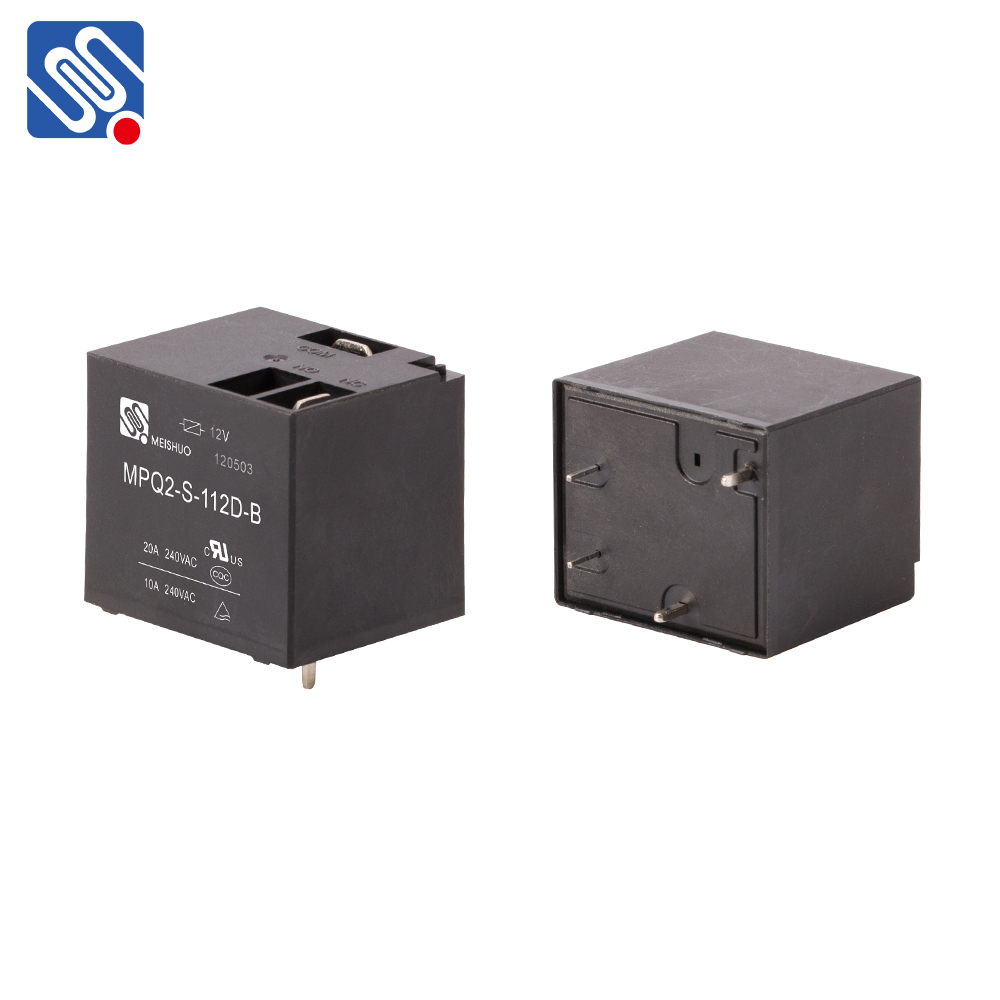
What is a 12V 30A Relay? A relay is an electrically operated switch that employs electromagnetic principles to open or close contacts, allowing for the control of large amounts of electricity using a smaller input signal. The 12V in the title signifies the operating voltage of the relay’s coil, while the 30A indicates the maximum current the relay can handle through its contact points. This classification makes the 12V 30A relay suitable for a variety of applications where high current is required. How Does It Work? The working mechanism of the 12V 30A relay involves the use of a coil and a set of contacts. When a voltage of 12V is applied to the coil, it generates a magnetic field that attracts a movable armature or contact. This action either connects or disconnects the circuit, depending on whether the relay is designed as normally open (NO) or normally closed (NC). In the case of an NO relay, current flows through the connected device when the relay is energized, while in an NC relay, the current is interrupted when the relay is activated.