A 12V 100A relay is an essential component widely used in various electrical and automotive systems to control high-power circuits with a low control voltage. This type of relay is designed to handle substantial current loads, making it a popular choice in automotive, industrial, and renewable energy applications. In this article, we will explore the working principle, common applications, technical specifications, and considerations when using a 12V 100A relay.
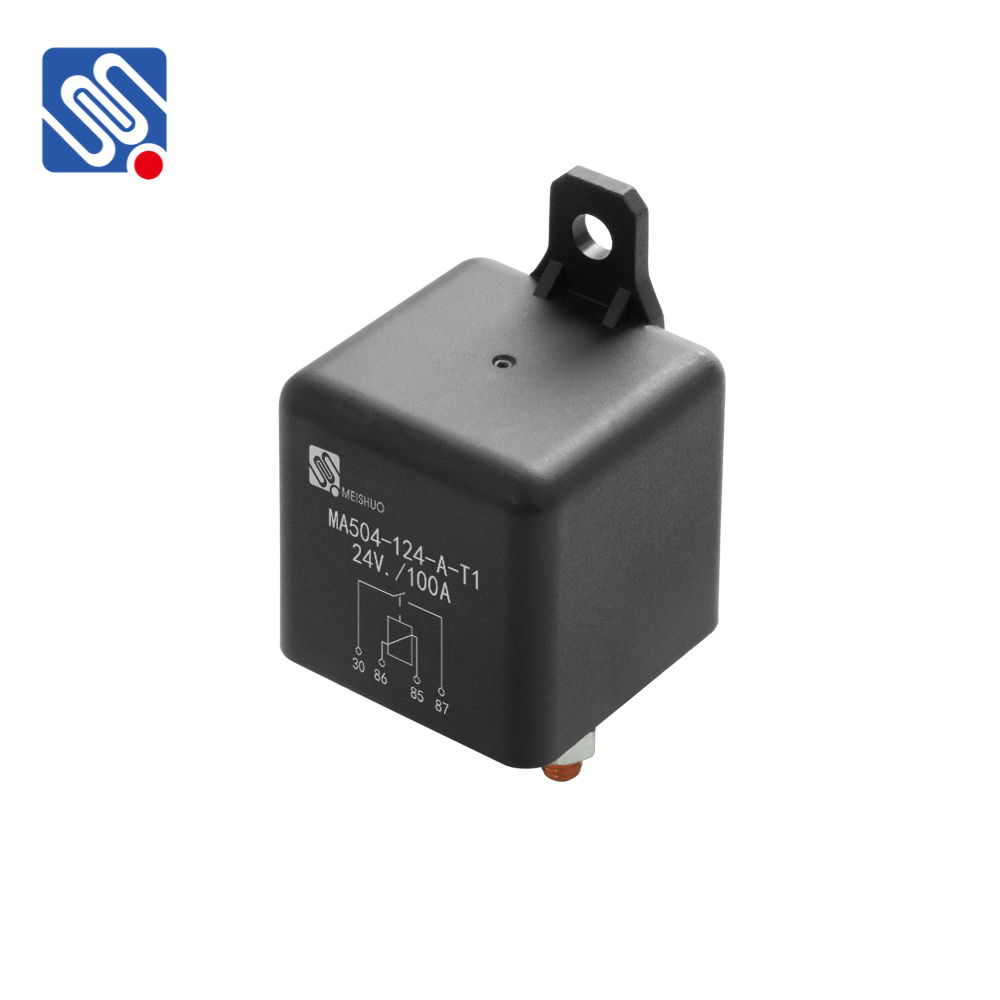
What is a 12V 100A Relay? At its core, a 12V 100A relay is an electrical switch that allows low-voltage circuits to control high-voltage or high-current devices. The “12V” refers to the control voltage required to activate the relay, typically coming from a 12V power supply, such as a car battery. The “100A” represents the maximum current the relay can switch on or off—up to 100 amperes—making it ideal for controlling powerful devices or machines. The relay consists of two main parts: the coil and the contacts. The coil, when powered by the 12V control voltage, generates a magnetic field that moves the internal contacts, either opening or closing them, thus controlling the flow of electricity in the larger circuit. This enables a small, low-power signal to control a much larger power circuit.