Relays are crucial components in modern electrical systems, used to control high-power devices with a low-power signal. The 12V 100A relay is one such relay that plays an essential role in various industries, especially in automotive, industrial, and power management systems. This article will explore the significance, working principles, and applications of the 12V 100A relay, highlighting its importance in modern electrical circuits.
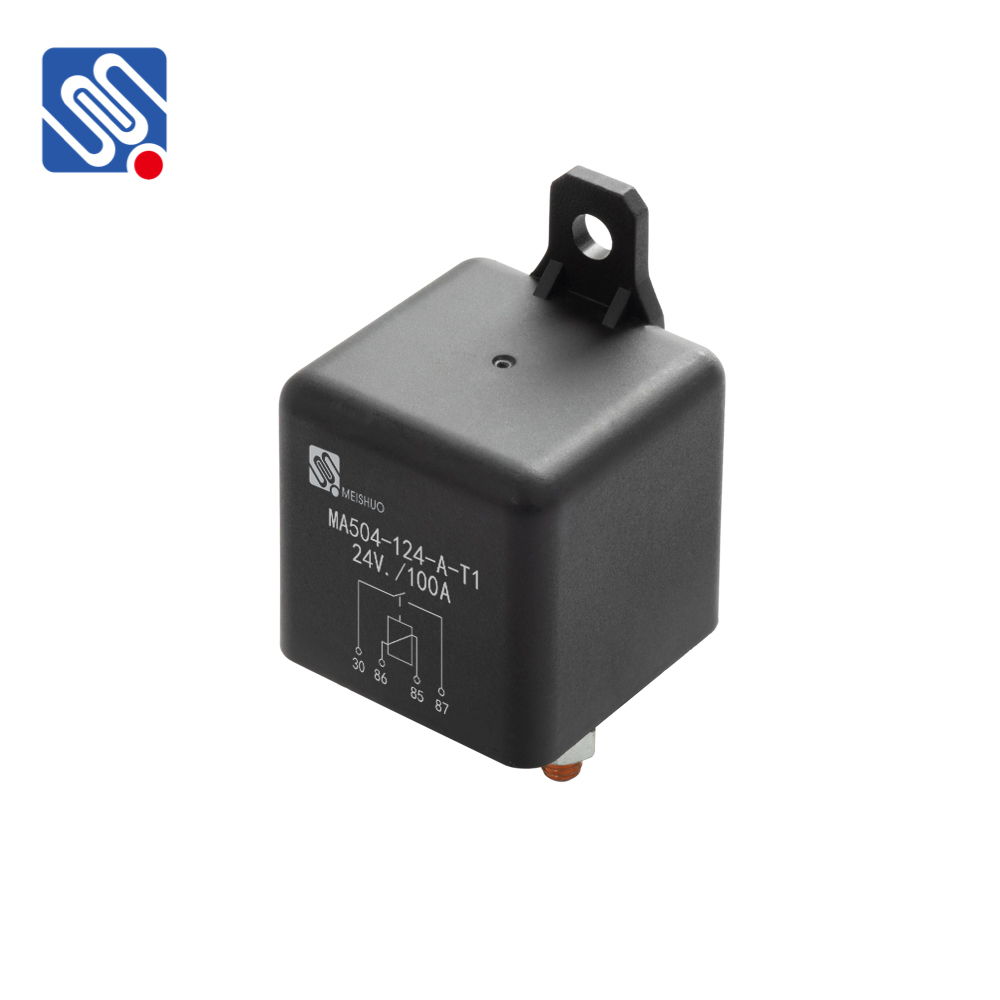
What is a 12V 100A Relay? A 12V 100A relay is an electrical switch designed to control high-current electrical circuits with a low-voltage signal of 12V. The “12V” indicates the voltage required to activate the relay’s coil, while “100A” refers to the maximum current that the relay can handle on its contacts. These relays are used to switch large currents, typically in DC circuits, without exposing sensitive control circuits to high voltages or currents. Relays like these are typically constructed using a magnetic coil, a set of contacts, and a mechanical armature that opens or closes the contacts when the coil is energized.