In the realm of electrical engineering and power systems, the 1000V DC Main Relay is a critical component designed to control and switch high-voltage direct current circuits. As the global push towards renewable energy and advanced industrial automation grows, the relevance and importance of reliable and efficient relays like the 1000V DC Main Relay become increasingly evident. This article will explore the main features, functions, applications, and considerations associated with this significant component.
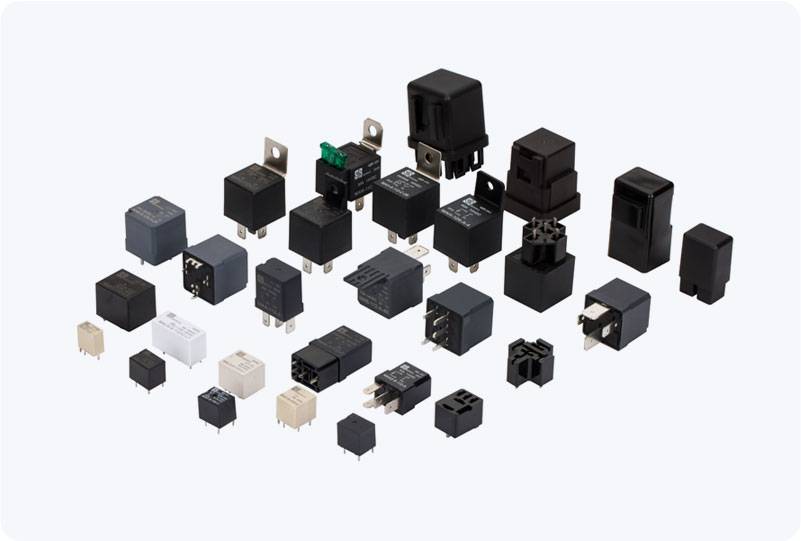
Key Features and Specifications The fundamental characteristic of a 1000V DC Main Relay is its capacity to operate with a direct current voltage of up to 1000 volts. This high-voltage rating positions it as a suitable option for various applications where standard relays might fail to deliver necessary performance. Its robust design typically includes high-quality insulation materials to withstand electrical stresses and prevent arcing, which is particularly important in high-voltage scenarios. These relays are also engineered to handle a range of current ratings. Depending on the specific model, they can manage substantial loads, making them ideal for heavy-duty applications. Additionally, the relay’s configuration usually includes multiple contact arrangements, allowing for flexibility in how the relay can be integrated into a circuit—whether as normally open (NO) or normally closed (NC) contacts.