A Temperature Control Relay is a critical device in modern electrical and automation systems, designed to regulate temperature variations within set thresholds. It ensures that equipment operates within safe temperature ranges, preventing potential damage due to overheating or freezing. This article delves into the working principles, features, applications, and benefits of temperature control relays, highlighting their significance in various industries.
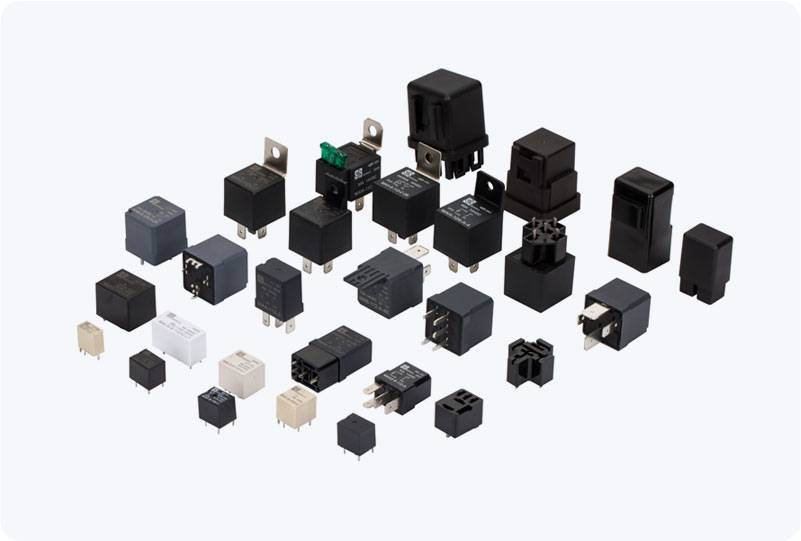
What is a Temperature Control Relay? At its core, a temperature control relay is an electrical device used to monitor and control temperature changes. It typically consists of a temperature sensor, a relay mechanism, and a control system. The temperature sensor detects changes in temperature and sends feedback to the relay, which then triggers a response based on preset parameters, such as activating or deactivating heating or cooling systems. Temperature control relays can be found in a wide array of applications, ranging from industrial machinery to household appliances. By keeping a tight control over temperature fluctuations, they help protect sensitive equipment and enhance operational efficiency.