TE Connectivity relay stands as a crucial component in the realm of modern electronics, significantly contributing to the efficiency and functionality of a wide array of applications. With a rich history of innovation and expertise in connectivity and sensor solutions, TE Connectivity has established itself as a global leader in providing high-quality relays. This article explores the various types, applications, performance features, and technological advancements that define TE Connectivity relays.
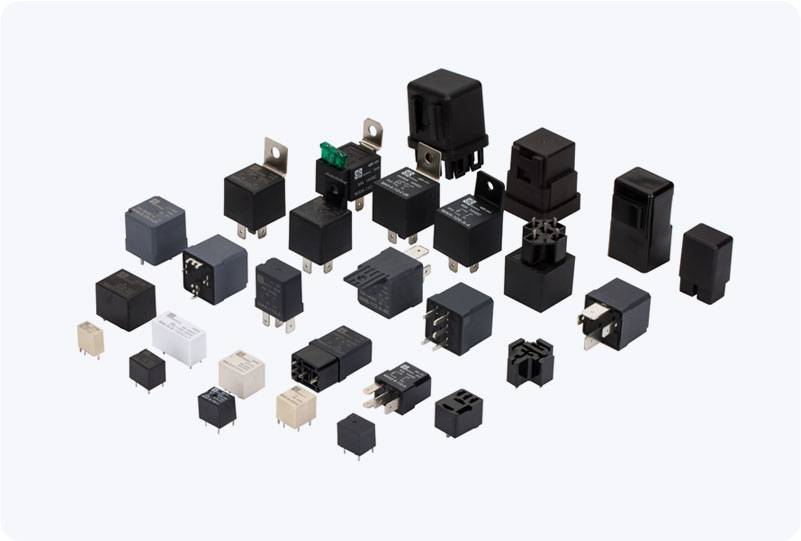
Types of TE Connectivity Relays TE Connectivity offers a diverse range of relays tailored to meet the specific needs of different industries. Among these, the most common types include: Electromechanical Relays (EMR): These traditional relays operate by electromechanical means, utilizing an electromagnetic coil to open or close contacts. They are widely used for switching applications in both low and high-voltage environments. Solid-State Relays (SSR): Unlike electromechanical relays, solid-state relays use electronic components such as transistors or thyristors to switch the output. This type of relay is notably faster and more reliable, making it suitable for applications that require rapid switching and minimal wear.