In today’s fast-evolving electrical and automation industries, the demand for reliable, efficient, and compact switch mechanisms has led to the increased popularity of Solid-State High Voltage Relays (HV Relays). These devices utilize solid-state technology to control high voltage loads, replacing traditional electromechanical relays which are subject to wear and mechanical failure. This article explores the architecture, advantages, applications, and considerations associated with Solid-State HV Relays, offering insights into why they are becoming the preferred option across various sectors.
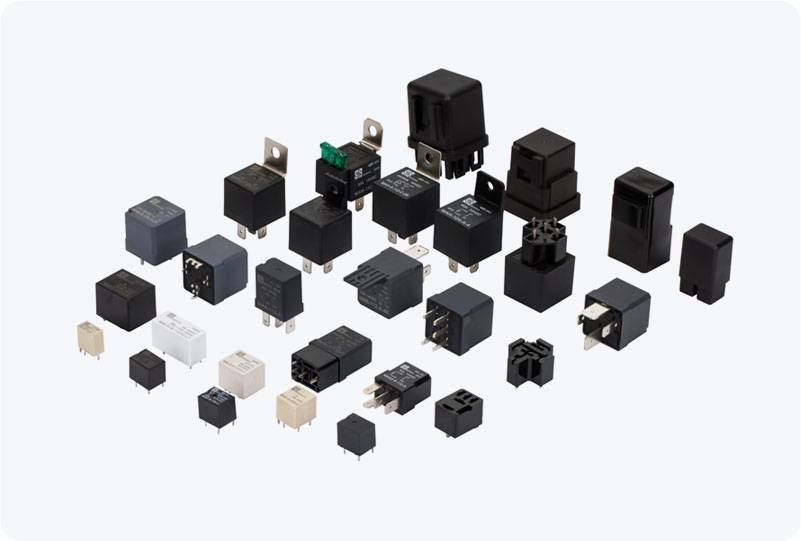
Architecture of Solid-State HV Relay A Solid-State HV Relay is primarily composed of a few key components: an input circuit, a solid-state switch, and an output circuit. The input circuit typically receives a control signal, which can be either an AC or DC voltage. This signal is processed by a driving circuit that activates the solid-state switch. The switch is often made from semiconductor materials such as MOSFETs or IGBTs, which allow for rapid and reliable switching. When the control signal is applied, the solid-state switch conducts, allowing electrical current to flow through the load connected at the output. One of the defining features of solid-state technology is the absence of mechanical parts; thus, there are no contact bounce issues and the switchover is much faster compared to mechanical counterparts. This rapid switching capability makes Solid-State HV Relays ideal for applications requiring high-speed control.