In the realm of industrial automation and control systems, safety and reliability are paramount considerations. One critical component that plays a significant role in achieving these safety standards is the SIL 3 communication relay. The acronym SIL stands for Safety Integrity Level, which is a measure of a system’s ability to ensure safety in the event of faults. SIL levels are defined in the international standard IEC 61508, which provides a framework for functional safety of electrical, electronic, and programmable electronic safety-related systems. SIL 3 represents a high level of reliability and is essential for industries where failures can result in severe consequences.
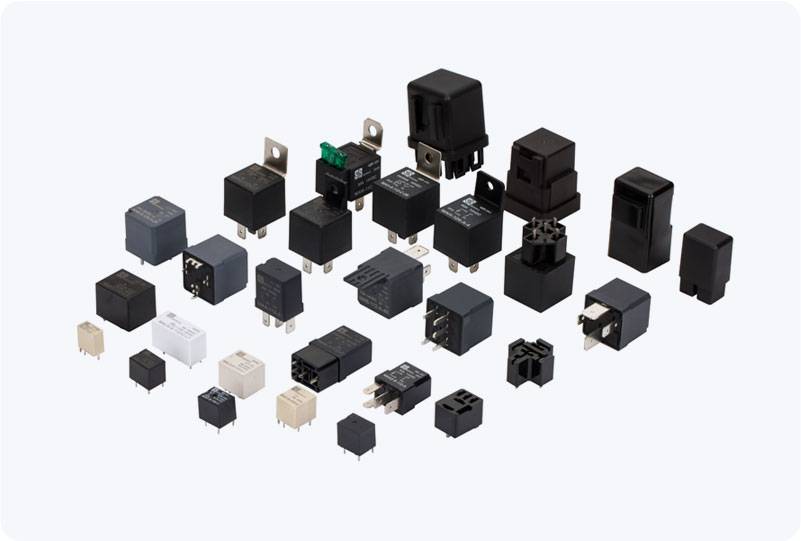
What is a SIL 3 Communication Relay? A SIL 3 communication relay is a device designed to facilitate safe communication between various components in a safety-related system. It ensures that signals are transmitted reliably and accurately, even when components fail. To achieve the SIL 3 designation, the relay must meet stringent requirements related to failure rates and the capability to identify and handle faults effectively. Specifically, a SIL 3 system must demonstrate a failure probability of less than 1 failure per 1 million operations per year. Key Features of SIL 3 Communication Relay