In industrial automation, safety is a critical concern, especially in environments where human life, machinery, and the surrounding environment could be at significant risk. To mitigate these risks, safety systems are incorporated into automated processes, and one of the most crucial components of these systems is the Safety Relay SIL 3. These relays are designed to provide a fail-safe mechanism, ensuring that a system can shut down safely in the event of a malfunction or emergency. In this article, we will explore what Safety Relay SIL 3 is, its importance, and its application in various industries.
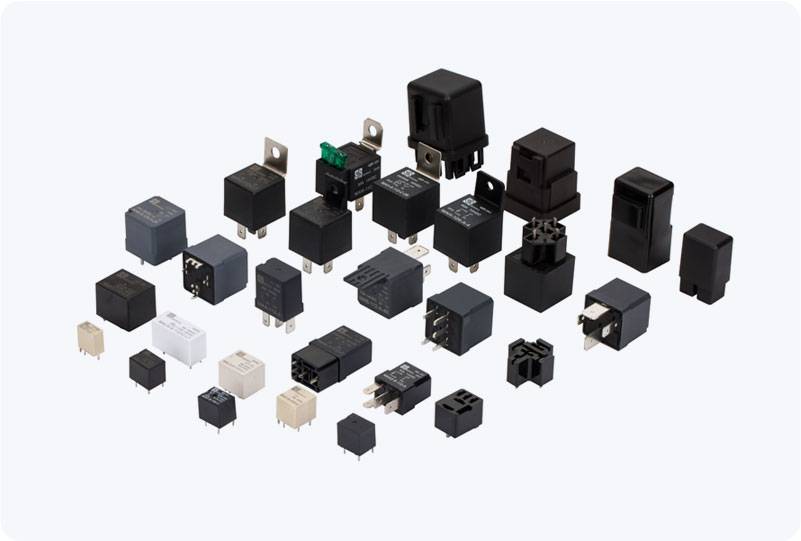
What is Safety Relay SIL 3? Safety Relay SIL 3 is a component that ensures the safety and integrity of automated systems. It operates as part of a Safety Instrumented System (SIS), which is designed to manage and mitigate hazardous situations. SIL, or Safety Integrity Level, is a standard defined by IEC 61508 and IEC 62061 that measures the reliability of a safety system. SIL 3 is the second-highest level of safety integrity, meaning that the safety relay is designed to reduce the risk of a dangerous failure to an extremely low probability—usually to a level of less than 1 in 10,000 years of operation.