In the realm of industrial automation, the safety of operators and equipment is paramount. One critical component that plays a significant role in achieving this safety is the safety relay. A safety relay is an electromechanical device designed to monitor and control safety functions within machinery and equipment. By ensuring that safety protocols are followed and potential hazards are addressed, safety relays contribute to a safer working environment. In this article, we will delve into the functions, features, applications, and standards associated with safety relays, shedding light on their importance in modern industry.
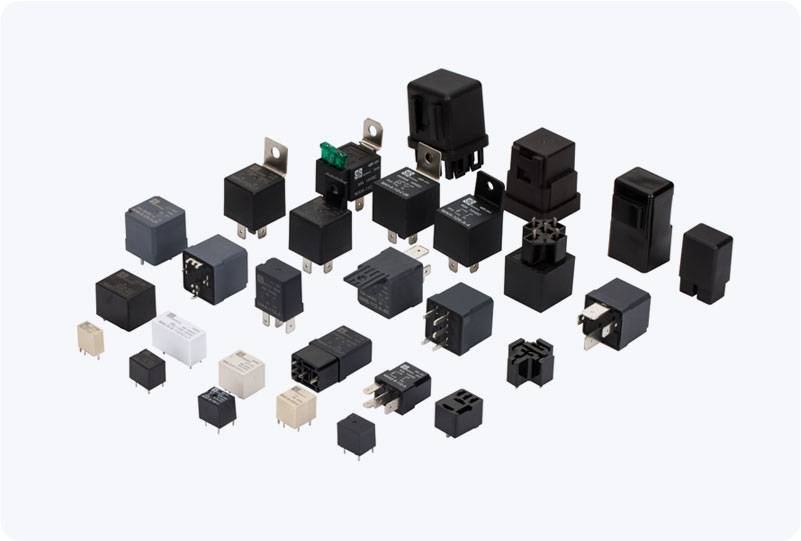
Functions and Features of Safety Relays Safety relays serve a variety of essential functions in industrial applications. Primarily, they are responsible for monitoring safety devices such as emergency stop buttons, safety light curtains, and safety interlocks. When these devices are activated, the safety relay processes the information and, if necessary, initiates a response to prevent hazards. This often means cutting off power to machinery or stopping specific processes to mitigate risks. One of the key features of safety relays is their dual-channel design. This design enhances operational reliability since it effectively allows for fault detection through two separate channels. If one channel fails, the other can still function, ensuring that the safety mechanism remains operational. By implementing this redundancy, safety relays can help to avoid dangerous situations caused by single-point failures.