Safety is paramount in any workplace, especially in environments where machines and equipment are used daily. To ensure the protection of employees and prevent accidents, industries implement various safety protocols, one of which is the use of Safety Lockout Tags. These small but crucial tools play a significant role in securing machines during maintenance or repair and ensuring that no one operates the equipment while it’s unsafe. In this article, we will explore what safety lockout tags are, their importance, and best practices for their effective use.
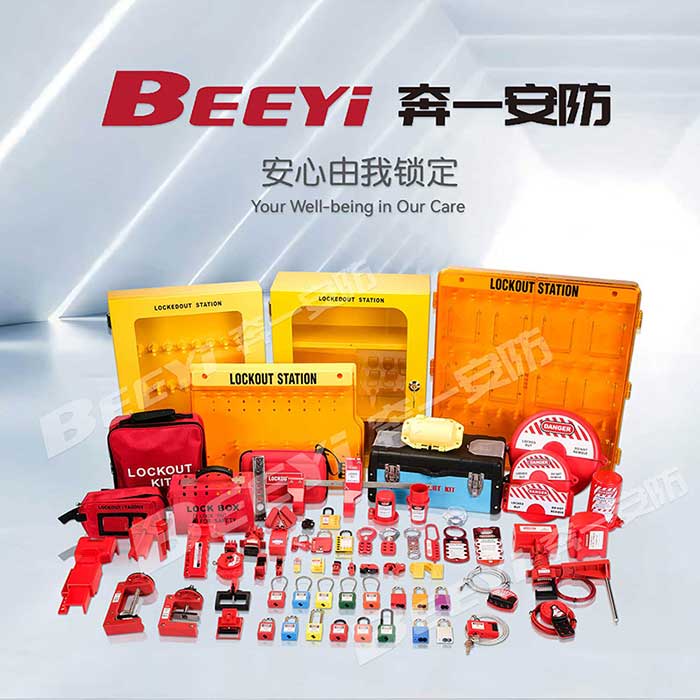
What Are Safety Lockout Tags? Safety lockout tags are part of a larger safety system known as Lockout/Tagout (LOTO). The LOTO system is a critical workplace safety protocol used to prevent the accidental release of hazardous energy during maintenance or repair of equipment. Lockout refers to the physical locking of a device to prevent its operation, while tagout involves placing a warning tag on the equipment, indicating that it is out of service and should not be used. Lockout tags are usually brightly colored and feature bold, clear warnings such as “Do Not Operate,” “Danger,” or “Under Maintenance.” These tags contain important information such as the identity of the person who placed the tag, the date and time, and sometimes additional contact information or instructions regarding the work being done. The goal is to clearly communicate that the equipment is not safe to use until further notice.