In industrial settings, the importance of workplace safety cannot be overstated. One critical procedure designed to safeguard workers during maintenance and repair tasks is the Safety Lockout Tagout (LOTO) protocol. This systematic approach is fundamental in preventing accidental machine startups and energy releases that can lead to severe injuries or fatalities. Understanding the LOTO process, its components, and its implementation is vital for all employees in a workplace.
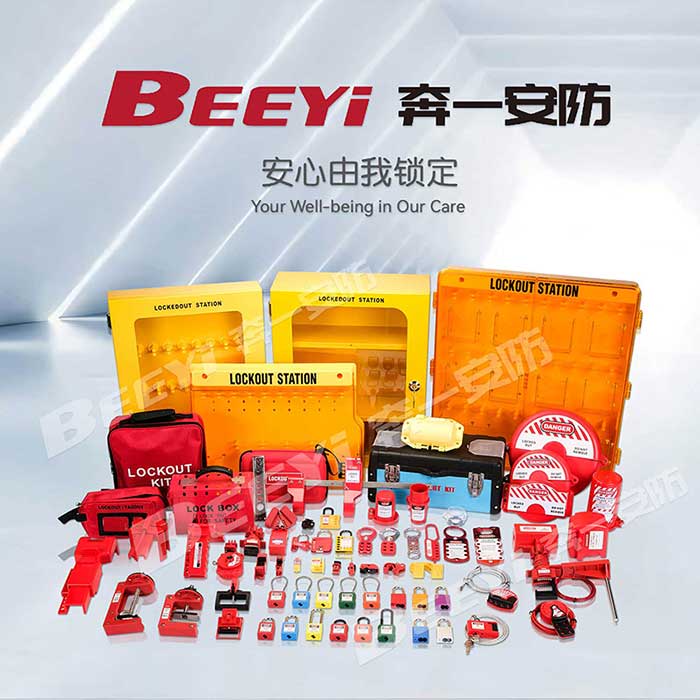
What is Safety Lockout Tagout? The Safety Lockout Tagout (LOTO) procedure refers to the practice of disabling machinery or equipment to prevent unexpected energization or startup during maintenance or repair activities. This involves the physical locking of energy sources and the placement of warning tags to inform others that work is being conducted on the equipment. In essence, LOTO ensures that only authorized and trained personnel can access and operate machinery in a safe manner, mitigating the risks associated with hazardous energy sources. Components of Safety Lockout Tagout There are two primary components in the LOTO process: lockout and tagout.