Safety is an imperative consideration in industrial and manufacturing environments, where the complexities of machinery and equipment pose inherent risks to workers. Among the measures established to mitigate these risks, Safety Lockout Tagout (LOTO) procedures stand out as a critical component for ensuring the safety of employees during maintenance and repair activities. This article delves into the fundamental aspects of Safety Lockout Tagout, its processes, benefits, and the importance of compliance in fostering a secure workplace.
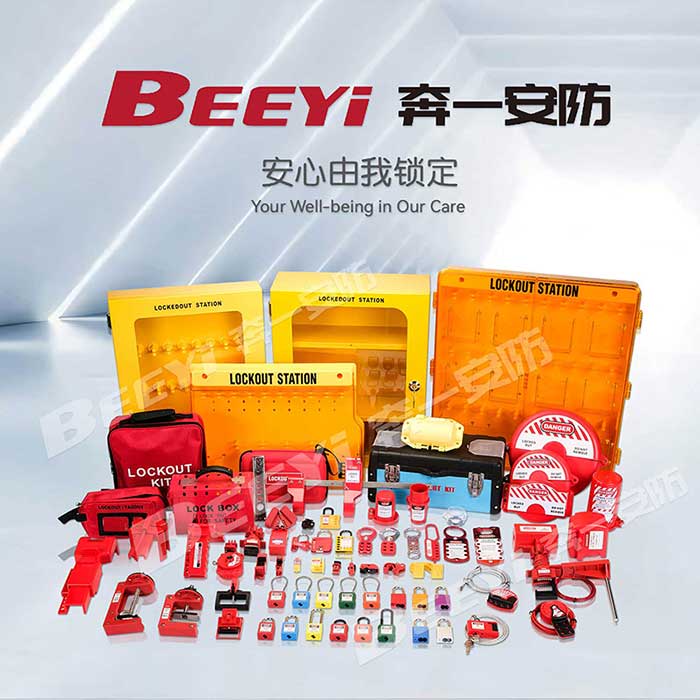
What is Safety Lockout Tagout? Safety Lockout Tagout refers to a set of safety procedures designed to prevent the accidental activation or unauthorized operation of machines and equipment during maintenance or repair. The core principle of LOTO involves isolating energy sources and securing equipment through physical locks and tags. This practice ensures that machinery cannot be turned on or operated until the necessary maintenance has been completed, effectively safeguarding employees from potential hazards. The Importance of LOTO in the Workplace The significance of Safety Lockout Tagout procedures cannot be overstated. According to the Occupational Safety and Health Administration (OSHA), lockout/tagout violations are among the most frequently cited standards in workplace safety inspections. The consequences of not adhering to LOTO procedures include severe injuries, fatalities, and extended downtime for businesses due to accidents. By effectively implementing LOTO, organizations can significantly reduce the risk of accidents, enhance employee morale, and comply with regulatory requirements.