In industrial settings, the safety of workers is paramount. One of the essential practices aimed at protecting employees during maintenance, repair, and servicing of machinery is the Safety Lockout Tagout (LOTO) procedure. This protocol is designed to prevent the unexpected start-up or release of hazardous energy while workers are performing these operations. In this article, we will delve into the importance of the Safety Lockout Tagout procedure, outlining its components, implementation steps, and the significance of adherence to these practices.
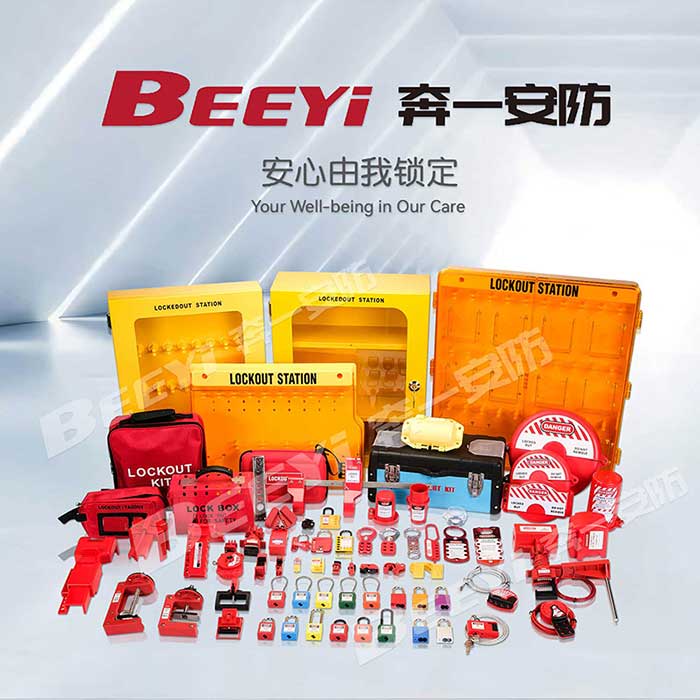
What is Safety Lockout Tagout? Safety Lockout Tagout refers to a series of safety protocols and practices that ensure the effective isolation of hazardous energy sources to prevent accidents and injuries during maintenance work. These hazardous energy sources can include electrical, mechanical, hydraulic, pneumatic, chemical, thermal, and other sources of stored energy that could pose a risk to workers if not properly controlled. The LOTO procedure consists of two primary elements: lockout and tagout. Lockout involves securing the energy-isolating device in a safe position using a locking mechanism, such as a padlock, that can only be removed by the employee who applied it. This prevents unauthorized operation of the machine.