Reverse Osmosis (RO) systems are widely used for water purification across various applications, from residential water filters to large-scale industrial operations. One of the most crucial components in ensuring the smooth operation of these systems is the Reverse Osmosis Solenoid Valve. This simple yet essential device plays a key role in controlling water flow and maintaining the efficiency of the filtration process. In this article, we will explore the function, types, applications, and benefits of the Reverse Osmosis Solenoid Valve.
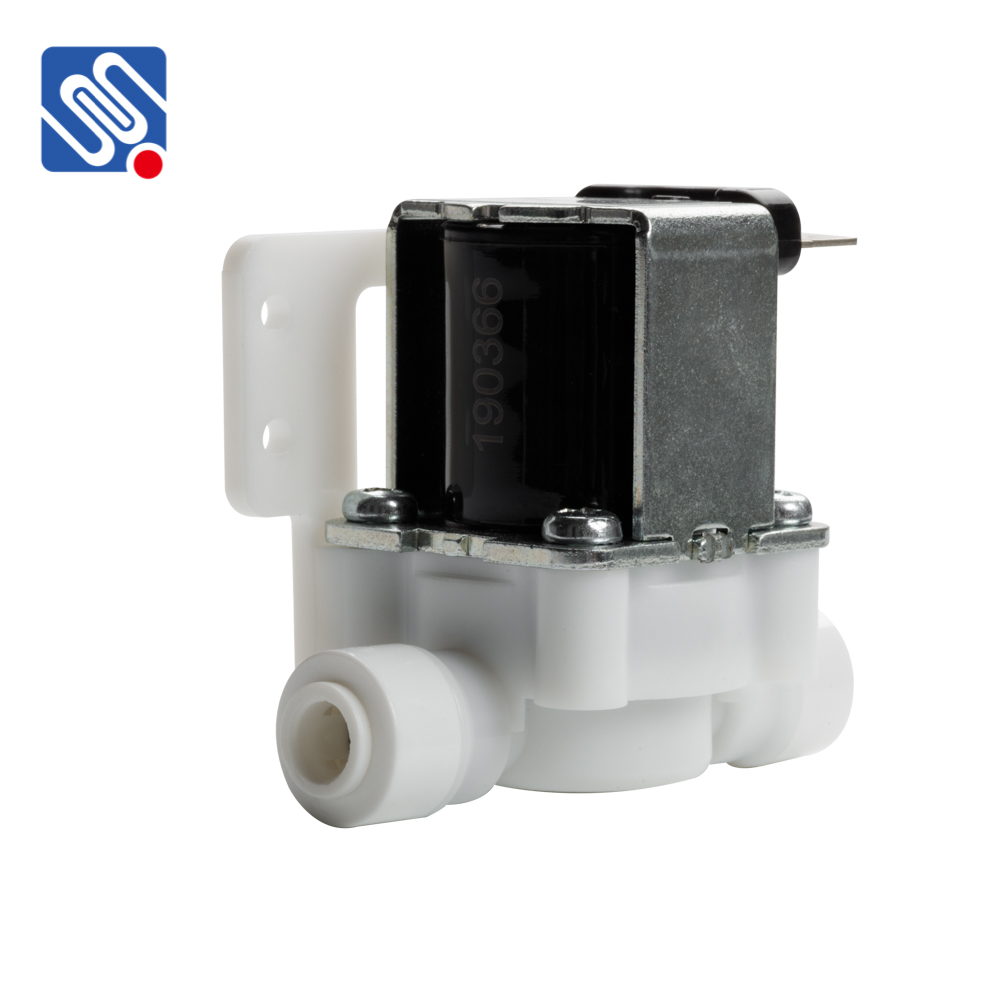
What is a Reverse Osmosis Solenoid Valve? A Reverse Osmosis Solenoid Valve is an electrically operated valve that is used in RO water filtration systems to regulate the flow of water. It is controlled by an electric current that generates a magnetic field in the solenoid coil, causing the valve to open or close depending on the system’s needs. The solenoid valve acts as an on/off switch for water, allowing it to flow through the system when required and shutting it off when it’s not. This automation helps ensure the system operates optimally and prevents water wastage. How Does a Reverse Osmosis Solenoid Valve Work?