Remote control relays have become a vital component in modern automation systems, providing an efficient and reliable means of controlling electrical circuits from a distance. As technology continues to evolve, remote control relays are increasingly being integrated into various applications, ranging from smart homes to industrial automation. In this article, we will explore the working principles, applications, advantages, and future potential of remote control relays.
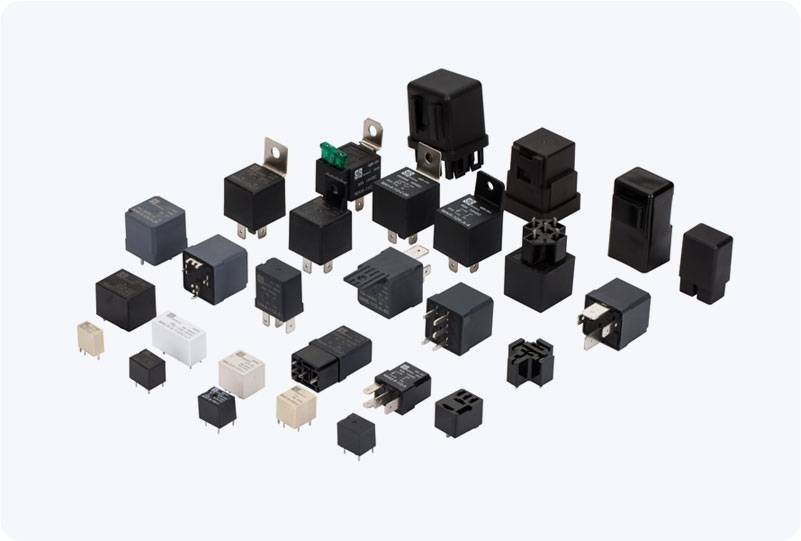
What is a Remote Control Relay? A remote control relay is an electrical switch that allows users to control a circuit remotely, typically using wireless communication technologies. These relays are designed to receive signals from a remote transmitter, such as a wireless remote control, a smartphone, or a computer, and use those signals to either open or close an electrical circuit. The core component of a remote control relay is the relay itself, which acts as a switch to control the flow of current to a connected load. Working Principle The basic operation of a remote control relay revolves around the reception of a control signal and the switching of a relay’s contacts. Here’s a step-by-step breakdown of how it works: