In today’s fast-paced and technology-driven world, automation is playing an increasingly important role in both residential and industrial sectors. One of the essential components of automation systems is the Remote Control Relay. These devices enable users to control various electrical systems from a distance, offering significant convenience, efficiency, and flexibility. This article explores the fundamentals of remote control relays, their working principles, applications, and benefits in modern automation.
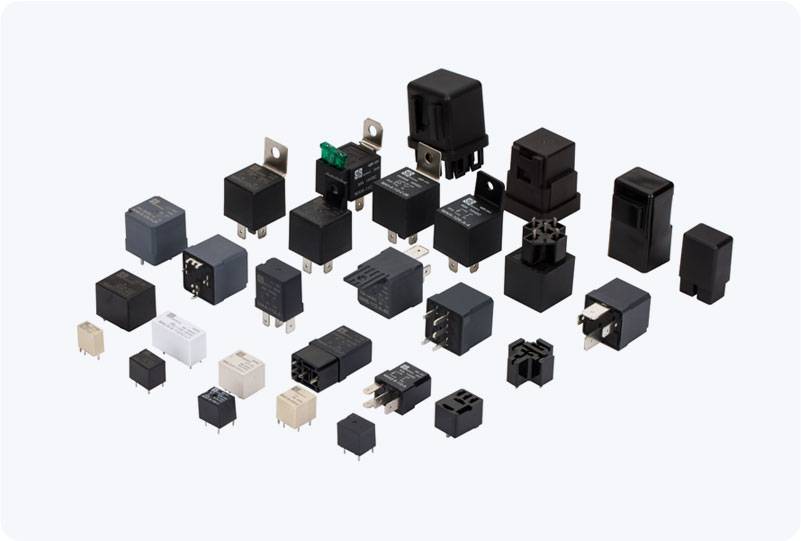
What is a Remote Control Relay? A Remote Control Relay is an electromechanical device designed to control the switching of high-power electrical loads using low-power control signals. Typically, relays consist of an electromagnetic coil that, when energized, either opens or closes a set of contacts to control the flow of electricity to connected devices. A remote control relay adds the capability of being operated remotely via signals transmitted over wireless or wired networks. There are several types of remote control relays, each suited to different needs. Some operate using radio frequency (RF), Wi-Fi, Bluetooth, or even cellular networks such as 4G/5G. This wireless communication allows the relay to be controlled from a distance, making it ideal for situations where manually switching devices is not feasible.