Relay wiring is a critical aspect of electrical engineering and automation that allows for the control of high voltage and high current devices using low voltage signals. A relay is an electromagnetic switch that can open or close circuits based on the electrical signals it receives. Understanding the fundamentals of relay wiring is essential for anyone involved in electrical installations, automation, or circuit design.
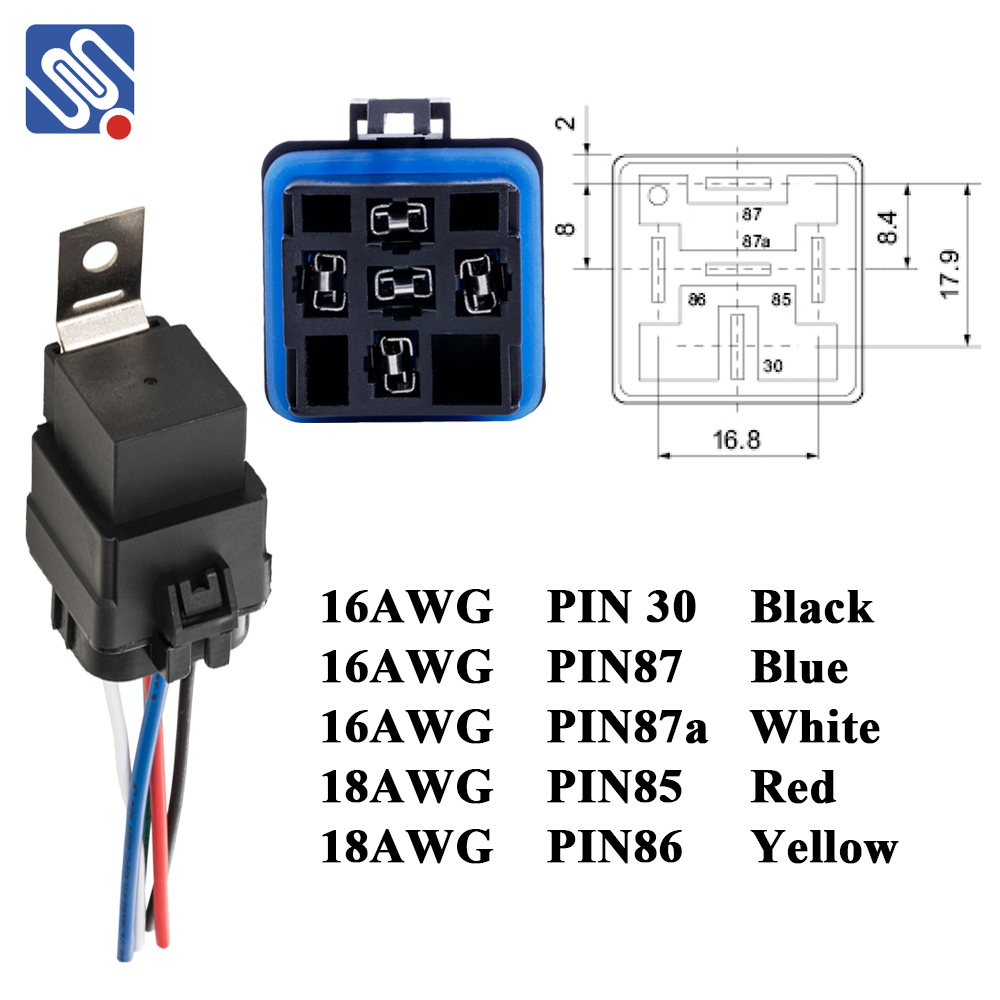
What is a Relay? At its core, a relay consists of a coil, an armature, and a set of contacts. When an electric current passes through the coil, it generates a magnetic field that moves the armature, which in turn opens or closes the electrical contacts. This mechanism enables a low-power signal to control a high-power circuit, making relays invaluable in various applications, from simple light switches to complex industrial control systems. Components of Relay Wiring The primary components involved in relay wiring include: Coil Terminals: Typically labeled A1 and A2, these connect to the control voltage. A1 is the positive terminal, while A2 is connected to the negative side.