Relay wiring is a fundamental aspect of modern electrical systems, used for controlling high-power devices with low-power signals. Whether in industrial automation, home appliances, or automotive applications, relays play a crucial role in the smooth operation of various systems. This article aims to provide a clear understanding of relay wiring, its components, and practical applications.
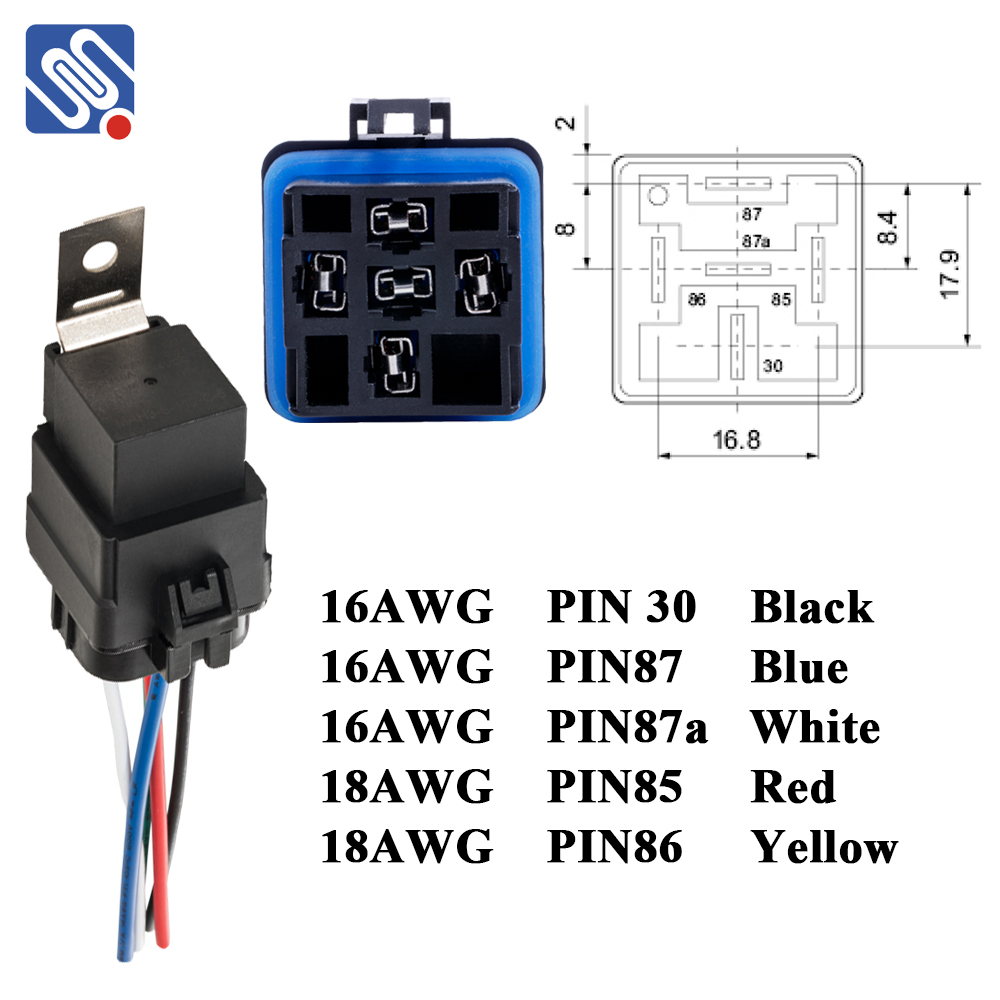
What is a Relay? A relay is an electromechanical switch that allows a small electrical current to control a larger one. It consists of an electromagnet, a set of contacts, and a spring mechanism that opens or closes the contacts. When a low-voltage signal is applied to the coil, it creates a magnetic field that activates the relay and either opens or closes the contacts, allowing current to flow through the load circuit. This function makes relays ideal for switching high-voltage or high-current loads using low-voltage control signals. Components of a Relay To understand relay wiring, it’s essential to familiarize oneself with the basic components of a relay: