Relays are crucial components in electrical and electronic systems, acting as switches that control the flow of electricity to various devices. One of the most important parameters when selecting a relay for an application is its voltage rating. This rating determines the maximum voltage that can be safely applied to the relay’s coil and contacts. Properly understanding and choosing the correct voltage rating is essential for ensuring the longevity, efficiency, and safety of the system in which the relay is used.
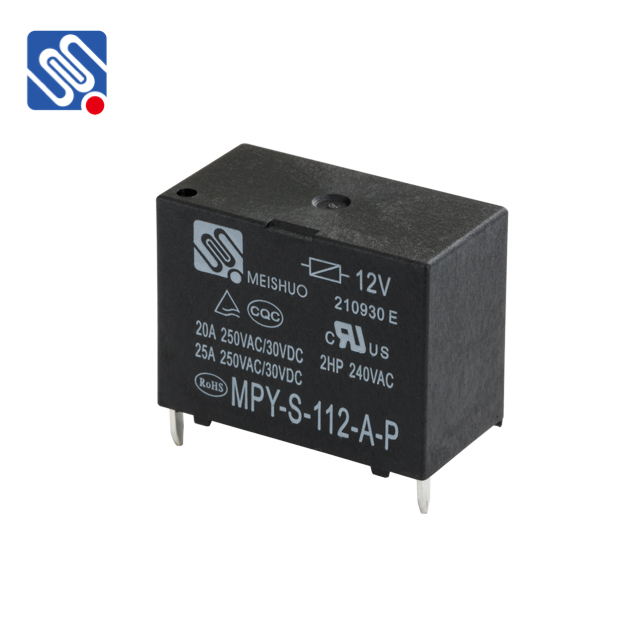
What Is Relay Voltage Rating? The relay voltage rating refers to two critical voltage limits in a relay’s operation: the coil voltage rating and the contact voltage rating. Both ratings define the safe operating range for a relay and play a crucial role in its functionality. 1. Coil Voltage Rating: The coil voltage is the electrical voltage required to energize the relay’s coil, causing it to change its switching state. When current flows through the coil, a magnetic field is generated that moves the relay’s internal contacts, either opening or closing them. The coil voltage rating specifies the range of voltages that can be safely applied to the relay’s coil.