Relays are essential components in modern electrical systems, widely used for switching applications across various industries. They function as electrically operated switches, allowing low voltage control circuits to manage high voltage devices. One critical aspect of relays that engineers and technicians must understand is the Relay Voltage Rating, which determines the safe operating limits for both the coil and the contacts of the relay. This article explores the concept of relay voltage ratings, their significance, and the factors to consider when selecting a relay for different applications.
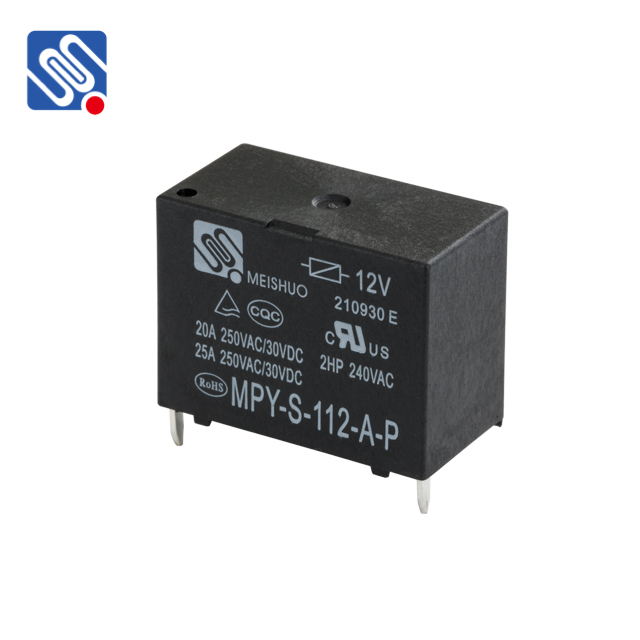
What is a Relay Voltage Rating? The Relay Voltage Rating refers to the maximum voltage a relay can handle, both at the coil and at the contact points. It consists of two key components: Coil Voltage Rating: This is the voltage required to energize the relay coil, which generates the magnetic field necessary to move the relay’s switch. Coil voltages typically come in standard ratings such as 5V, 12V, 24V, or 48V. This value is crucial because applying a higher voltage than the specified coil rating can damage the relay coil, potentially causing failure or overheating. Contact Voltage Rating: This indicates the maximum voltage that the contacts of the relay can safely switch on or off. It is an important consideration when selecting a relay for high-voltage applications. For example, a relay designed for a 120V or 240V system must have a contact voltage rating that accommodates those voltages without causing arcing, degradation, or failure of the contacts.