Relay technology has been a cornerstone of electrical and electronic control systems for over a century. It plays a crucial role in automating processes and controlling devices across various industries, from manufacturing to home appliances. This article delves into the principles, types, applications, advantages, and future of relay technology, shedding light on why it remains relevant in today’s fast-paced technological landscape.
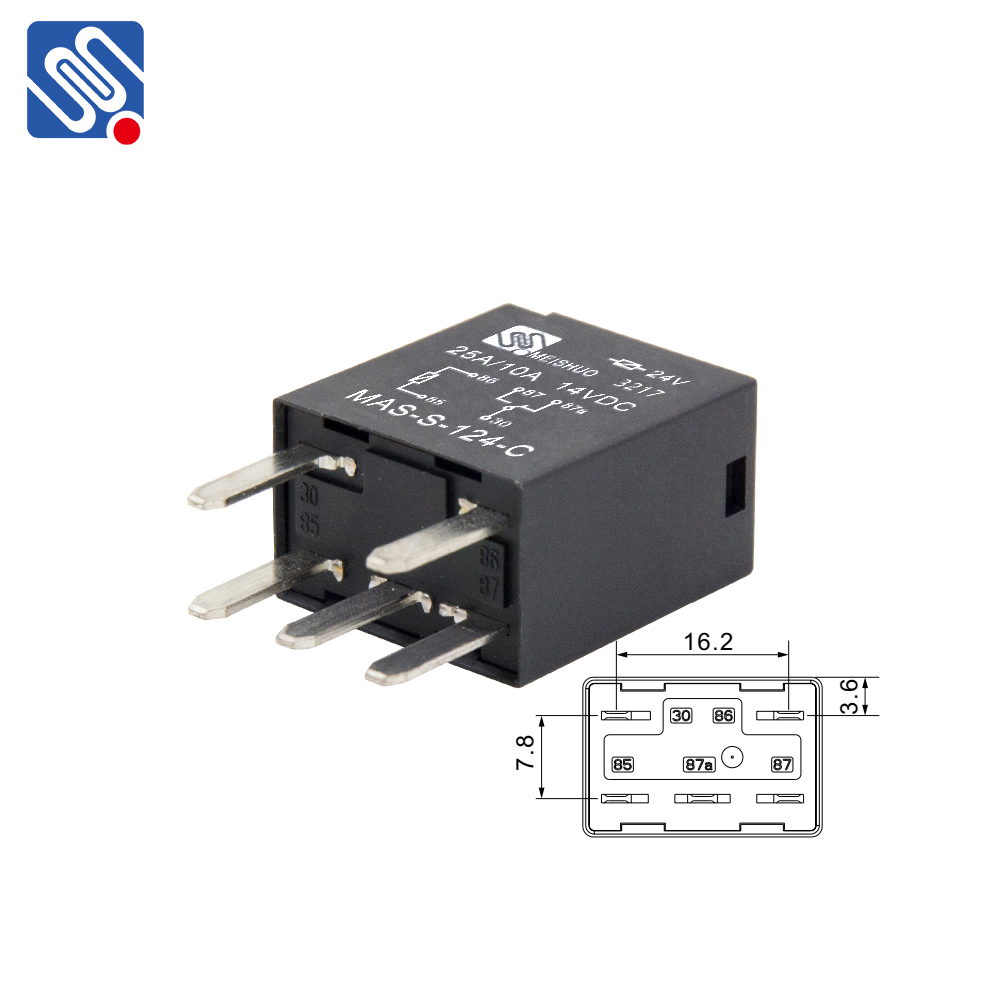
Principles of Relay Technology At its core, a relay is an electromechanical switch that uses an electromagnet to open or close a circuit. It consists of several key components: a coil, an armature, contacts, and a spring. When a small current flows through the coil, it generates an electromagnetic field that moves the armature, either connecting or disconnecting the circuit through the contacts. This mechanism allows a low-power signal to control a high-power circuit, making it invaluable for various applications. The operation of a relay can be categorized into two main states: the normally open (NO) state and the normally closed (NC) state. In the NO state, the circuit remains open until the relay is energized, allowing the current to flow. Conversely, in the NC state, the circuit is closed until the relay is activated, interrupting the current flow.