Relay stability is a critical concept in control systems that utilize relays as switching elements. This stability is vital for ensuring that systems operate smoothly and reliably, especially in applications where precision and consistency are paramount. As relays serve as the backbone of numerous automated operations—from simple on-off controls to complex protection mechanisms—their inherent non-linear behavior demands careful consideration during system design and analysis.
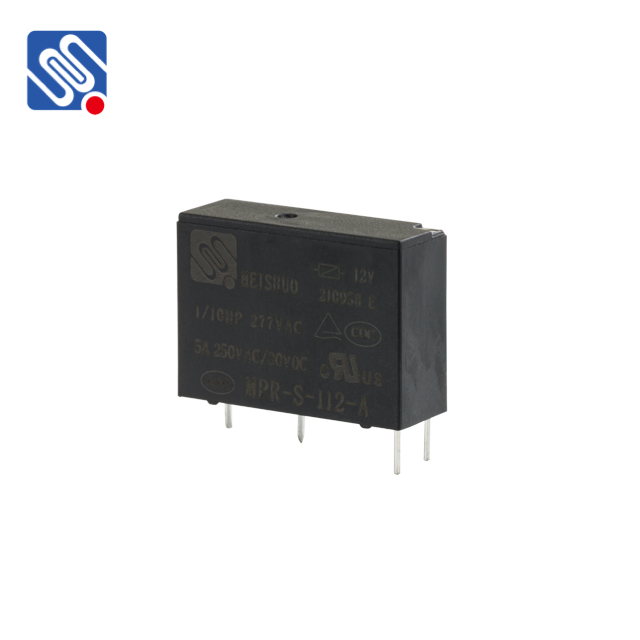
To comprehend relay stability, it is essential first to understand how a relay operates. A relay functions as an electromechanical switch that opens or closes a circuit in response to an input signal. When this signal surpasses a certain threshold, the relay activates, allowing current to flow through. Conversely, when the signal drops below a specified level, the relay deactivates. However, the relationship between the input signal and the output is not continuous; instead, it is characterized by hysteresis, which introduces delays and can lead to oscillations in system behavior. One of the primary concerns with relay stability arises from the delay in the relay’s response time. This delay can disrupt feedback loops in control systems, especially those that are close to their stability margins. When the output of a system does not align with the expected response due to this delay, oscillatory behavior may occur. This oscillation can escalate into detrimental vibrations, compromising the system’s effectiveness and leading to potential failure or degradation of performance.