Relay signals are a fundamental component in modern electrical circuits, playing a crucial role in automating systems, controlling power, and providing electrical isolation. They are versatile devices used to switch between different circuit states, typically turning electrical devices or systems on or off. The ability of a relay to control high-power circuits with low-power signals makes it indispensable in numerous industries, from automotive to industrial automation. This article delves into the workings, components, and applications of relay signals, shedding light on their significance in today’s electrical engineering landscape.
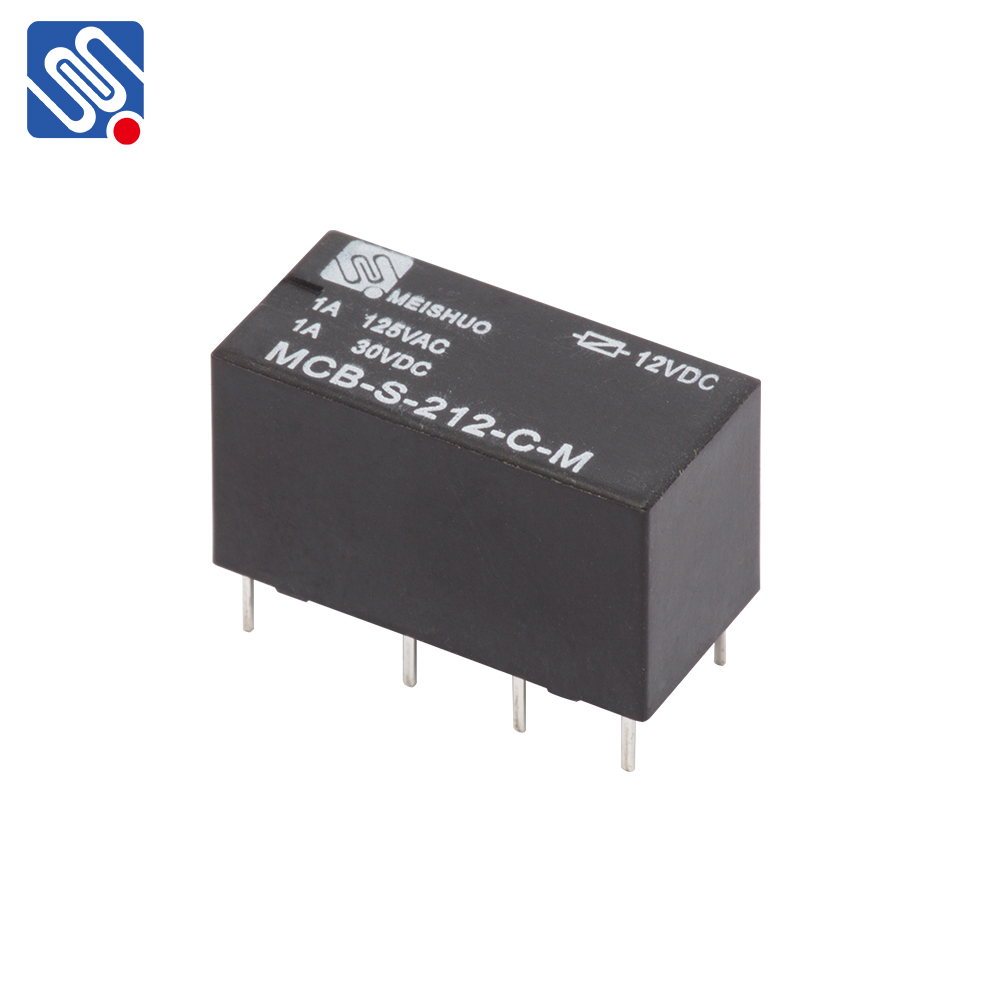
What Are Relay Signals? A relay signal is essentially a control signal that operates a relay—a type of electromechanical switch. Relays use electrical signals to control the opening or closing of contacts within a circuit, thereby changing the state of the system. They are primarily used to allow low-voltage control circuits (such as microcontrollers or sensors) to manage high-voltage or high-current systems, which may be beyond the capabilities of the control circuit itself. When an electric current passes through the coil of a relay, it creates a magnetic field that moves the armature (a movable part of the relay), either opening or closing a set of contacts. This switching action enables the relay to control the flow of electricity in another circuit. The relay’s contacts can be in a Normally Open (NO) or Normally Closed (NC) configuration, which determines whether the contacts are closed or open when the relay is in its default state.