Relay safety features play a crucial role in the reliable operation and protection of electrical systems across various industries. As electrical devices that act as switches, relays are essential in controlling circuits and system processes. However, their functionality goes beyond simple operations; they incorporate several safety features to prevent failures, protect equipment, and enhance system efficiency. In this article, we delve into the critical safety features of relays, their significance in modern electrical applications, and best practices to maximize their effectiveness.
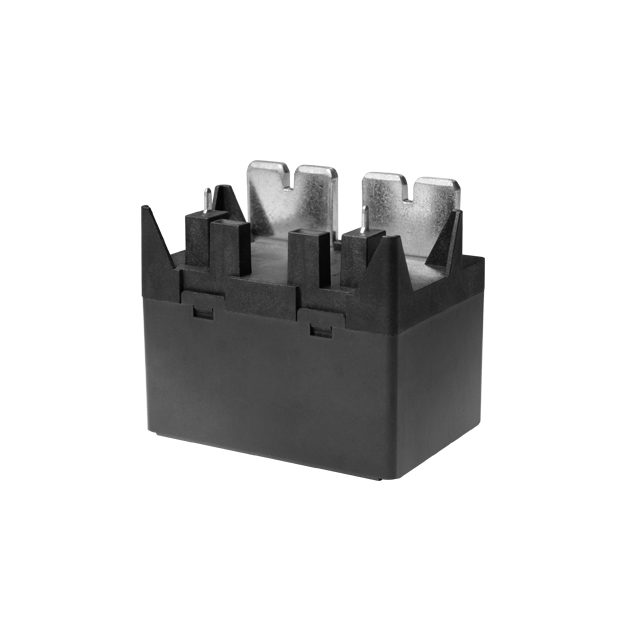
The Importance of Relay Safety Features Relays serve as essential components in electrical engineering, functioning primarily to control the flow of electricity based on specific input conditions. Whether used in industrial automation, public utilities, automotive systems, or consumer electronics, relays are vital for switching, protection, and isolation. Given the potential hazards posed by electrical surges, short circuits, and failures, integrating robust safety features into relays is essential to minimize risks and enhance the performance of electrical systems. 1. Overcurrent Protection