Relay production plays a crucial role in various technological fields, particularly in telecommunications, data transmission, and network management. As the demand for reliable and efficient communication systems increases, understanding how relay production works becomes essential for both industry professionals and consumers. This article aims to explore the concept of relay production, its significance, and its applications across different sectors.
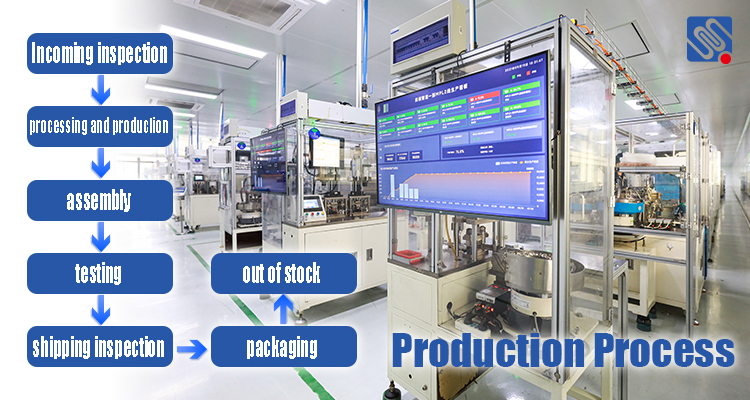
At its core, relay production refers to the development and manufacturing of relay systems—devices designed to receive, amplify, and forward signals within a communication network. These devices enable seamless connectivity between different devices and networks, significantly extending the range and reliability of communication systems. Relay systems can be found in numerous applications, such as telecommunications networks, audio and video distribution systems, and even in smart home technologies. One of the primary applications of relay production is in telecommunications. Mobile phones and cellular networks rely heavily on relay systems to transmit signals over long distances. In this context, relay stations—often referred to as cell towers—receive signals from mobile devices and relay them to other towers or the core network. This process ensures that users can maintain communication even when they are far from the nearest cellular base station.