In today’s fast-paced manufacturing environment, companies are constantly seeking new ways to enhance productivity, improve quality, and reduce costs. One approach that has garnered significant attention is Relay Production. This innovative production methodology focuses on optimizing teamwork, streamlining processes, and promoting flexibility within the production system, making it particularly effective in modern manufacturing settings.
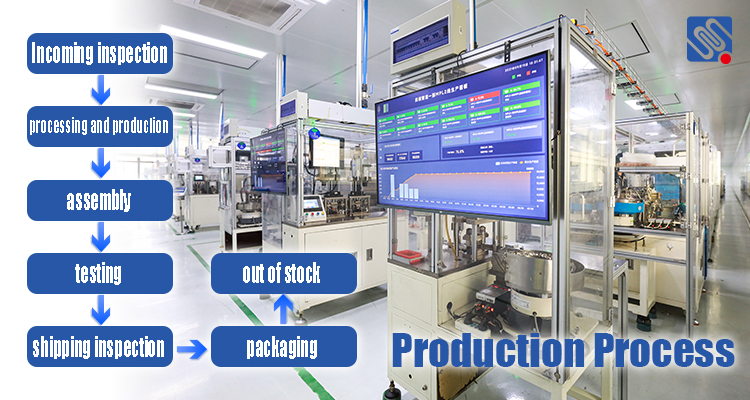
At its core, Relay Production is characterized by the seamless cooperation of team members who are each responsible for different aspects of the production process. The metaphor of a relay race is applicable here: just as runners pass the baton to one another, production team members transfer tasks and information to build a coherent and efficient workflow. This collaborative approach fosters a sense of ownership and accountability among team members, ensuring that everyone is invested in the final outcome. One of the primary advantages of Relay Production is its ability to optimize production processes. By analyzing each stage of the production line, companies can identify bottlenecks and inefficiencies. This analysis often leads to the elimination of redundant steps and a more streamlined process. For instance, if one segment of the production line is consistently delayed due to an outdated machine, allocating resources to upgrade that machine can increase overall productivity and maintain output levels.