In today’s technology-driven landscape, efficient data transmission is crucial for both personal and professional applications. As networks become increasingly complex, particularly with the rise of the Internet of Things (IoT), understanding the performance of relay systems becomes more important than ever. Relay performance metrics provide vital insights into the effectiveness and reliability of data transmission across networks. This article will explore the key performance metrics associated with relay systems, their implications, and their significance in various applications.
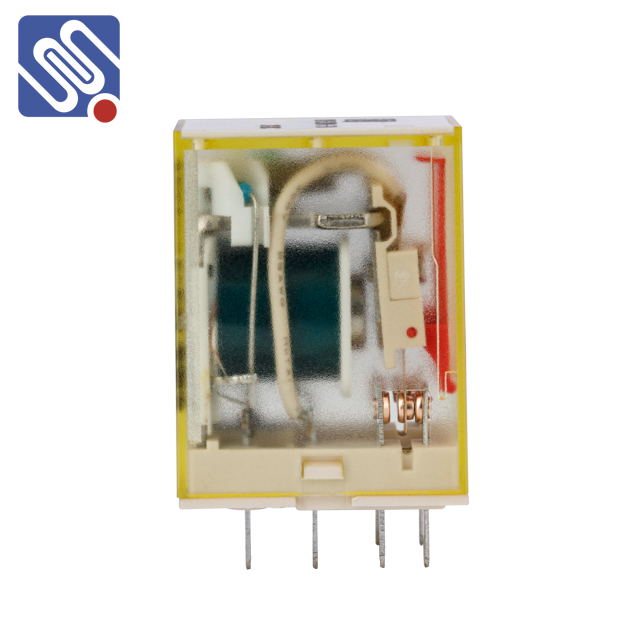
Relay systems, which function by receiving data signals from one point and forwarding them to another, are essential in overcoming distance limitations and enhancing communication within networks. Performance metrics for these systems typically encompass several critical dimensions, including latency, bandwidth, throughput, packet loss rate, and energy consumption. Latency is one of the most crucial metrics in relay performance. It refers to the time taken for a data packet to travel from the source to the destination. High latency can severely impact the performance of applications that require real-time data transfer, such as video conferencing, online gaming, or emergency response systems. Engineers strive to minimize latency in relay systems to ensure quick and efficient communication.