In the world of electrical engineering and automation, relay loads play a crucial role in how devices interact with one another. A relay is an electromechanical switch that allows low voltage circuits to control high voltage circuits. Understanding relay loads is essential for anyone involved in designing, using, or maintaining electrical systems, whether in industrial settings, residential applications, or automotive designs. This article will explore the concept of relay loads, their functionality, advantages, applications, and considerations for effective implementation.
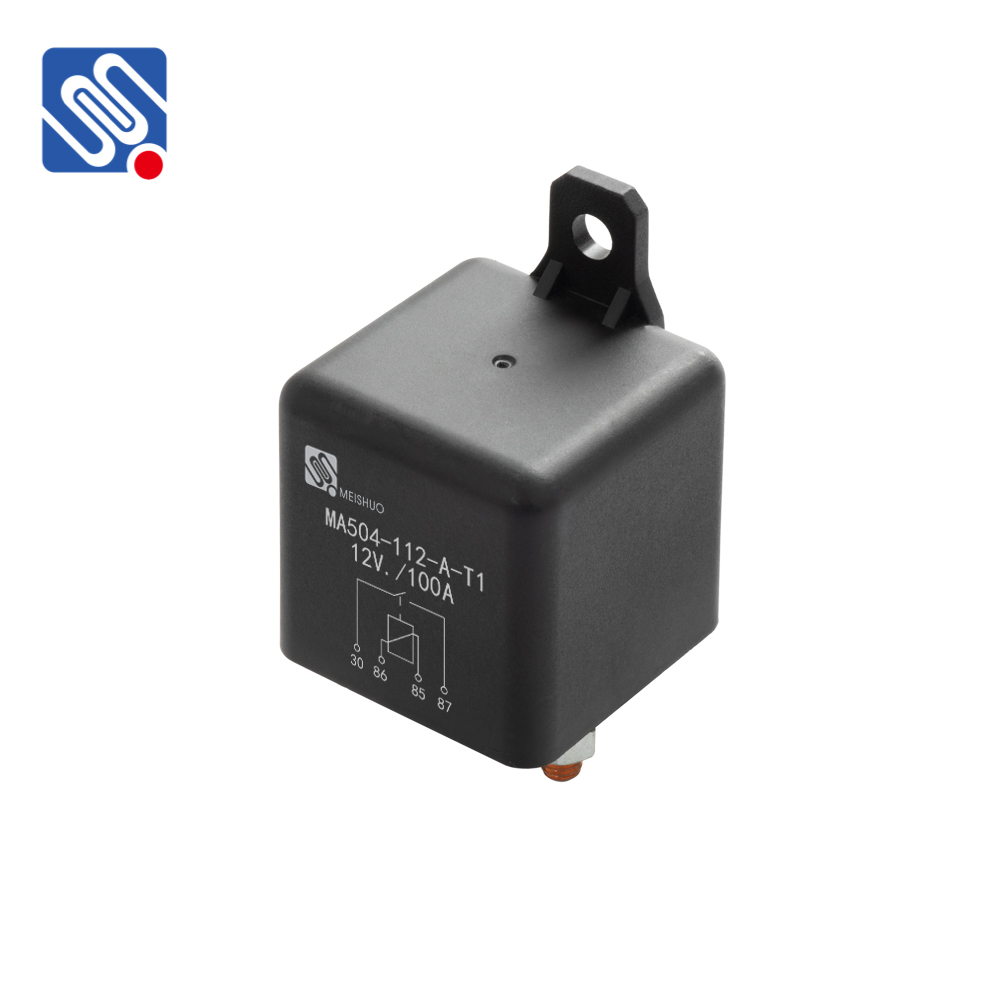
What is a Relay Load? A relay load refers to any electrical device or appliance that is controlled via a relay. Typical relay loads include lights, motors, heating elements, and other electrically powered devices. In essence, a relay acts as a bridge between a control circuit, which operates at low voltage, and a load circuit, which may operate at higher voltages and currents. This allows for safe control of high-power devices using low-power control systems. How Does a Relay Work? The operation of a relay is based on electromagnetic principles. Here’s a simplified breakdown of its working: