Relay load systems are essential components in electrical engineering and automation, widely used to control the flow of electricity to various electrical devices. These systems rely on relays, which are switches that operate electrically, allowing a small control signal to manage larger power loads. Understanding the functioning, types, and applications of relay loads is crucial for professionals working in electrical, automation, and control systems.
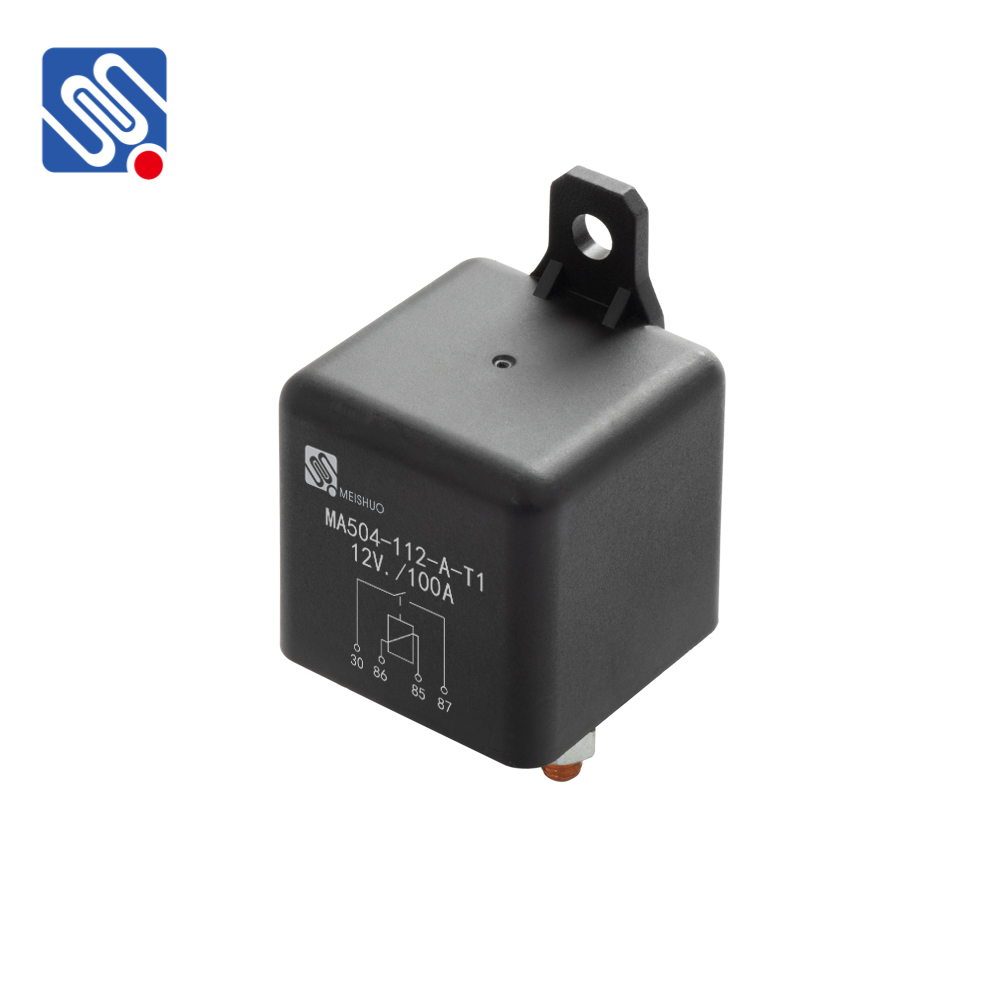
What is a Relay Load? In simple terms, a relay load refers to the external device or equipment controlled by an electrical relay. The relay itself acts as a switch that opens and closes a circuit, allowing or preventing electrical power from reaching the load. This mechanism is particularly useful when a small control circuit needs to operate larger power systems without direct physical interaction. Relays are typically used to control devices such as motors, lights, or other electrical appliances. They are integral to systems requiring remote control, automation, or precise switching of high-power loads.