The lifespan of a relay, commonly referred to as “relay lifespan,” is a critical aspect that influences the reliability and efficiency of various electrical and electronic systems. Relays are electromechanical switches that allow or interrupt the flow of electricity in a circuit. Understanding the factors that determine relay lifespan is essential for engineers, technicians, and anyone involved in designing or maintaining systems that utilize relays.
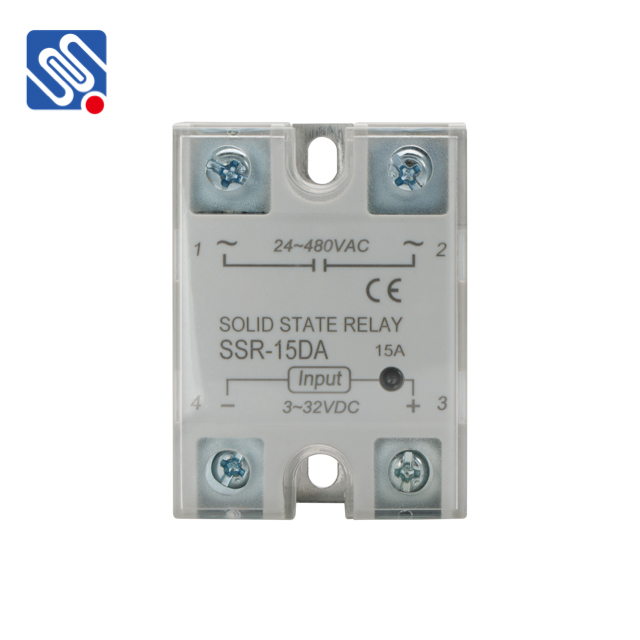
Mechanical vs. Electrical Lifespan Relay lifespan can be divided into two main categories: mechanical lifespan and electrical lifespan. Mechanical Lifespan: This metric indicates the number of operations a relay can perform without load. Essentially, it measures how many times a relay can open and close its contacts when not connected to an active circuit. This lifespan is considerably longer than its electrical counterpart since the relay is not subject to the wear and tear associated with high currents or voltages. Typically, the mechanical lifespan can reach millions of cycles, depending on the relay design and materials used.