Relays are essential components in various electrical and electronic systems, acting as switches that control the flow of electrical current in circuits. Understanding the lifespan of a relay is crucial for engineers, technicians, and anyone involved in designing or maintaining electrical systems. The concept of “relay lifespan” encompasses several aspects, including mechanical and electrical lifetimes, which ultimately determine how effectively a relay will perform under specific conditions.
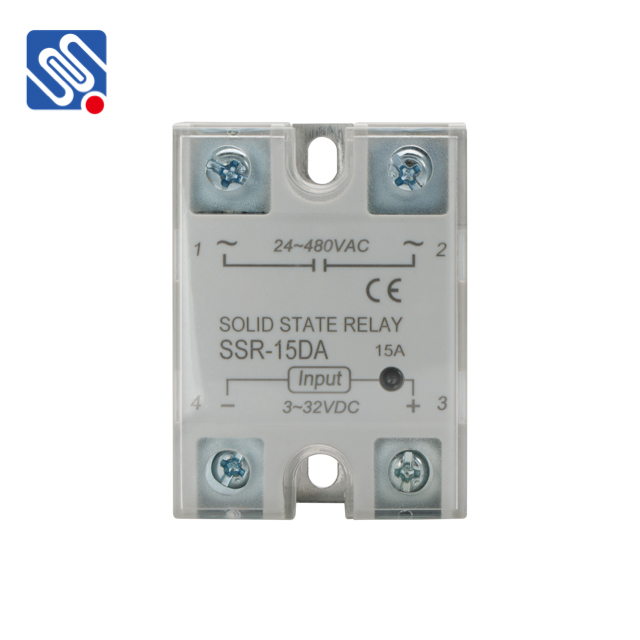
Mechanical vs. Electrical Lifespan The lifespan of a relay can be categorized into two primary types: mechanical lifespan and electrical lifespan. Mechanical Lifespan: This refers to the number of cycles a relay can complete without electrical load. It is a measure of how many times the relay can open and close purely based on mechanical action. Mechanical lifespans can range from hundreds of thousands to millions of operations, depending on the design and materials used. High-quality relays are often built for rigorous applications, allowing them to endure extensive mechanical stress.