Relays are essential components in a wide range of electrical and electronic systems, serving as switches to control circuits. They are used in everything from household appliances to industrial machinery and automotive systems. Understanding the lifespan of a relay is crucial for ensuring the reliability of the systems in which they are integrated. In this article, we will explore the factors that influence relay lifespan, including mechanical and electrical durability, load conditions, and environmental factors.
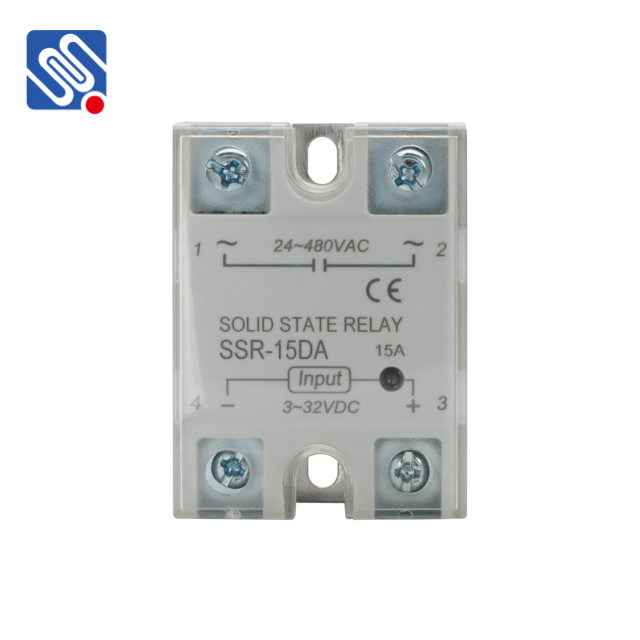
Mechanical vs. Electrical Lifespan Relays are generally designed to last for a specific number of operations. The lifespan of a relay can be divided into two main categories: mechanical lifespan and electrical lifespan. Mechanical Lifespan: This refers to the number of times a relay can operate without electrical load. A typical relay might be able to complete millions of operations mechanically before experiencing wear and tear on its internal components. The mechanical lifespan is often determined by the physical durability of the relay’s moving parts, such as the armature and contacts. High-quality relays can have a mechanical lifespan of up to 100 million cycles or more.