In modern automobiles, relays play a crucial role in managing the electrical systems that power various components such as lights, motors, and other critical functions. These electro-mechanical switches allow low-power circuits to control high-power loads, making them essential for the safe and efficient operation of a vehicle. However, like any component in a car, relays are not immune to failure. Understanding the failure modes of relays in cars is essential for effective diagnosis and maintenance. This article will explore common relay failure modes, their causes, and potential solutions.
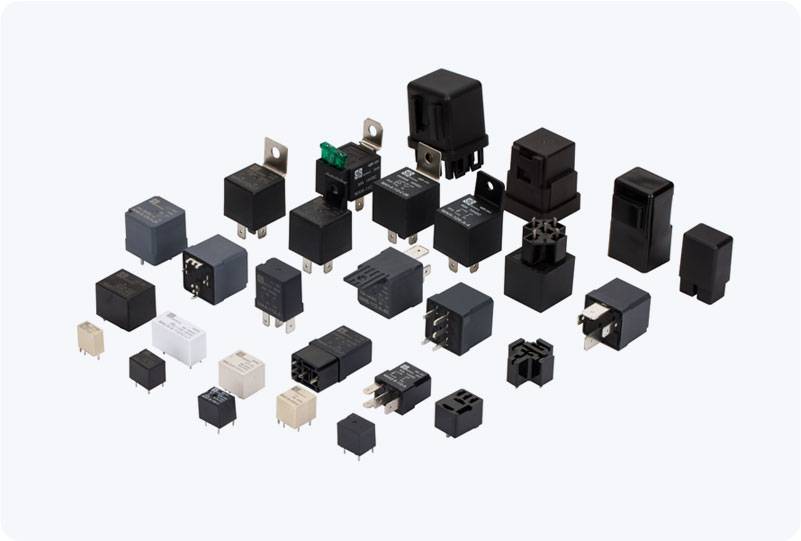
Common Relay Failure Modes Contact Failure Relay contacts can wear down, corrode, or become oxidized over time. This degradation can lead to poor electrical connections, resulting in intermittent operation of the devices controlled by the relay. For instance, if a relay controlling the headlights has faulty contacts, it might cause flickering lights or even complete failure. Regular inspection and cleaning of relay contacts can help mitigate this issue. Internal Short Circuits Over time, relay components may wear out or become damaged, leading to internal short circuits. When a short circuit occurs, the relay may remain in a constantly “on” state, allowing current to flow continuously. This can lead to overheating, burning of the relay, and potentially damaging the vehicle’s wiring system. Careful monitoring of electrical loads and avoiding overloading relays can reduce the risk of this failure mode.