In the rapidly advancing landscape of communication technology, the concept of relay efficiency has garnered significant attention. This metric represents how effectively relay nodes operate in extending the range and quality of communication between sender and receiver. As devices become more interconnected and data transmission requirements increase, understanding relay efficiency becomes crucial in optimizing network performance.
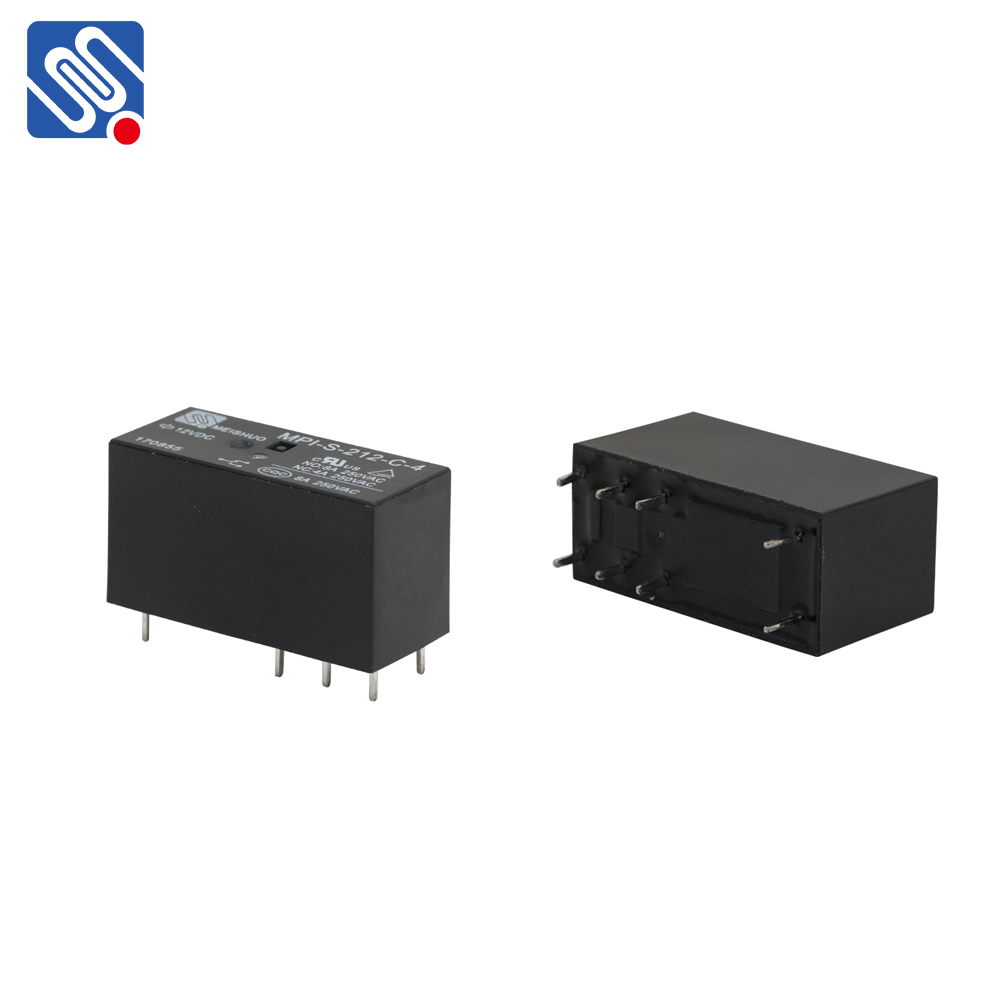
What is Relay Efficiency? Relay efficiency refers to the ability of a relay node to enhance the transmission of signals in a communication network. A relay node acts as an intermediary that forwards data packets from one point to another, effectively bridging the gap where direct communication may be hindered by distance or obstacles. The efficiency of such a node can be evaluated in various ways, including signal gain, power consumption, latency, data transfer rate, and overall network capacity. Key Factors Influencing Relay Efficiency Signal Gain: One of the most critical aspects of relay efficiency is its ability to boost signal strength. A relay node must effectively amplify weak signals to ensure that the information can reach the intended receiver without degradation. Factors such as antenna design, placement, and technology used (e.g., MIMO – Multiple Input Multiple Output) play a significant role in determining the gain achieved.