Relays are integral components in modern electrical and electronic systems, offering a reliable means of controlling high-power circuits with low-power signals. One of the most crucial factors in selecting and using a relay is understanding relay current—the current that flows through the relay’s contacts during operation. In this article, we will explore the concept of relay current, how it affects the relay’s performance, and key considerations for ensuring the longevity and reliability of relays in various applications.
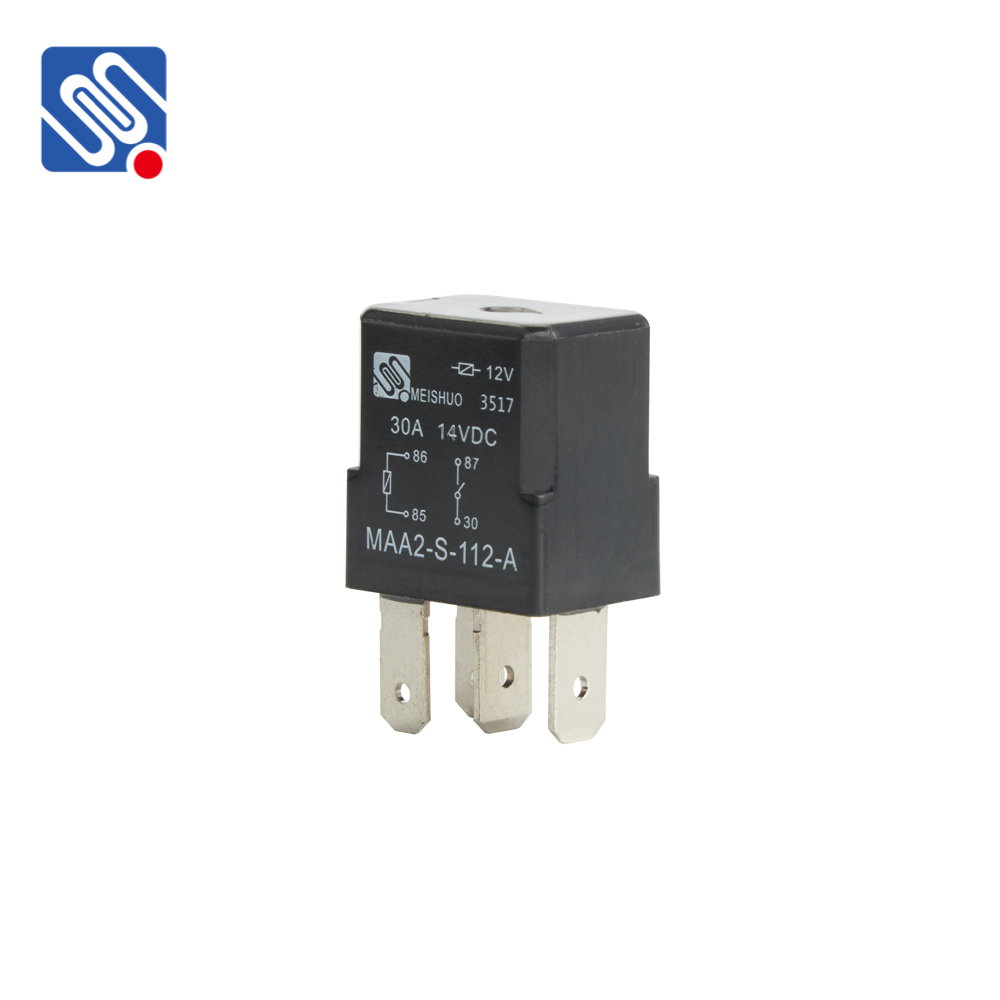
What is Relay Current? Relay current refers to the electrical current that flows through the relay’s contacts when they are closed during operation. A relay typically consists of a coil, a set of contacts, and an armature. When the coil is energized, it creates a magnetic field that attracts the armature, which in turn closes or opens the contacts, thereby controlling the flow of current in the circuit. The current flowing through these contacts is referred to as contact current or relay current. Types of Relay Current Relay current can be categorized into two main types: coil current and contact current.